Industry insights
Architecting Ultra-Low-Latency AI Infrastructure: ITU-T Y.3335 Standard Approval for All-Photonics Networks and Photonic Network Federation
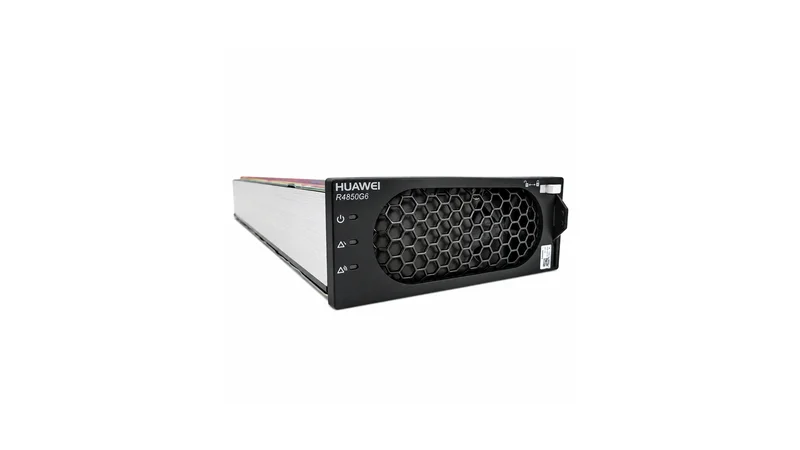
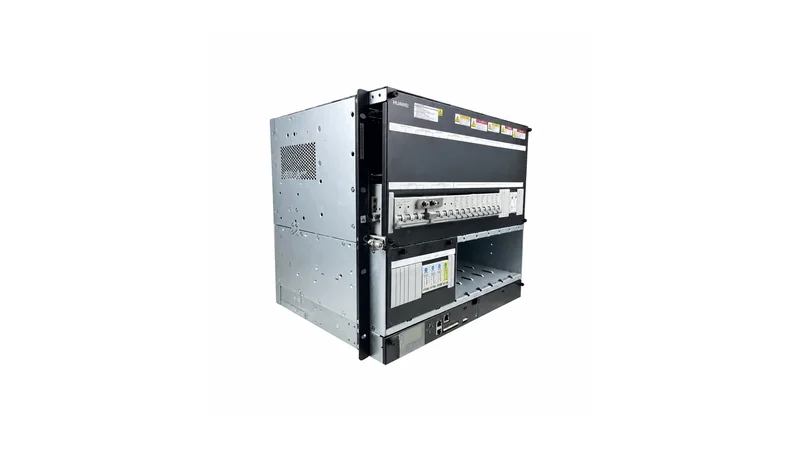
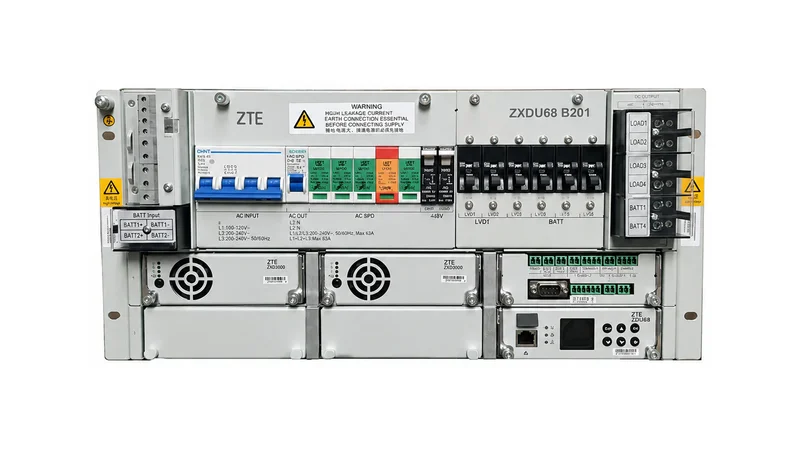
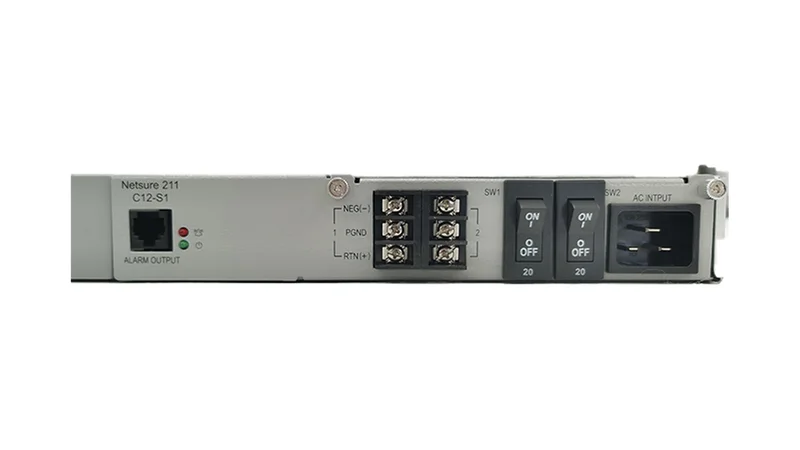
The formal approval of Recommendation ITU-T Y.3335 marks a pivotal architectural shift in global telecommunications, establishing the definitive standardization baseline for All-Photonics Networks (APN) and cross-carrier Photonic Network Federation. Spearheaded by a Japanese industry coalition including KDDI, NTT, Rakuten Mobile, NEC, 1Finity by Fujitsu, Oki, and Sumitomo Electric, Y.3335 formalizes functional frameworks, administrative boundaries, and end-to-end optical transmission models. By replacing multi-hop optical-electrical-optical (OEO) packet routing with deterministic photonic bypass paths, APN achieves a 200x reduction in network latency jitter and over a 100x improvement in transport power efficiency—critical metrics for distributed AI model training, massive GPU cluster synchronization, and real-time physical AI inference. The architecture integrates extended C+L band spectrum scaling over ITU-T G.654.E fiber, high-degree liquid crystal on silicon (LCoS) optical cross-connects (OXCs), and dense 800ZR/1.6T coherent pluggables hosted natively in switching silicon. Operating within carrier-grade central offices, APN deployments leverage mission-critical -48V DC power distribution plants yielding over 96.8% conversion efficiency. As standardized by RICEWIND infrastructure engineers and international consortia, this blueprint sets the commercial trajectory toward the October 2028 complete APN functional architecture under Beyond 5G Strategy 2.0.