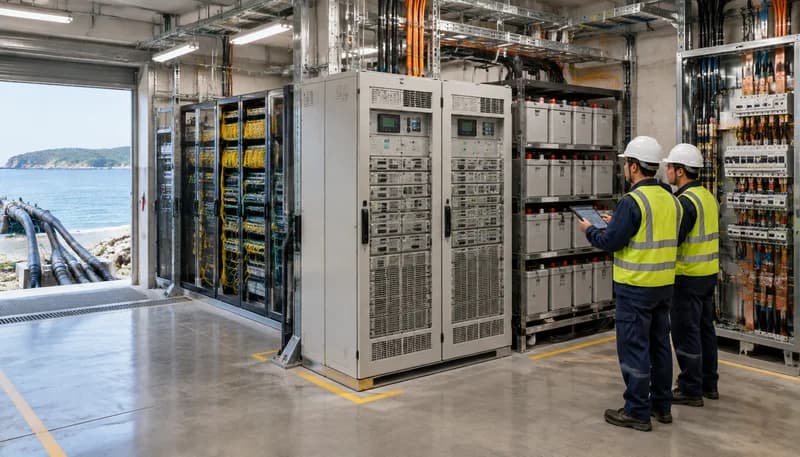
1. Source-reported Taiwan-Matsu No. 4 cable resilience context
The Light Reading report states that Chunghwa Telecom announced activation of the Taiwan-Matsu No. 4 submarine cable on September 18, 2026. According to the report, the cable was built at a cost of 1.4 billion New Taiwan dollars, reported as US$44 million, and was partly subsidized by the government. The source reports that the cable connects Bali District in New Taipei with Dongyin, Nangan, and Juguang townships in Lienchiang County over approximately 300 kilometers.
The Light Reading report states that the project followed earlier outages affecting Taima No. 2 and Taima No. 3 in February 2023, when cable breaks disrupted data transmissions for almost two months. The source attributes those incidents to a Chinese fishing boat and a cargo ship. The report also states that the two cables experienced further outages in 2025 due to natural deterioration.
According to the Light Reading report, Chunghwa Telecom said Taima No. 4 adds an additional communications route, reduces the risk of significant future disruptions, and improves reliability for residents of the Matsu Islands. The source also reports that total transmission capacity on the Taiwan-Matsu route increased to 1.9 Tbit/s and that backup systems using microwave and satellite communications were installed to maintain connectivity during subsea cable failures. These are source-reported resilience measures; they do not establish specific power-system designs or equipment configurations inside landing stations.
Separate source facts from engineering assumptions
Record cable resilience events and dates
Avoid inferring unreported cable technology
2. Landing station DC power architecture for resilience
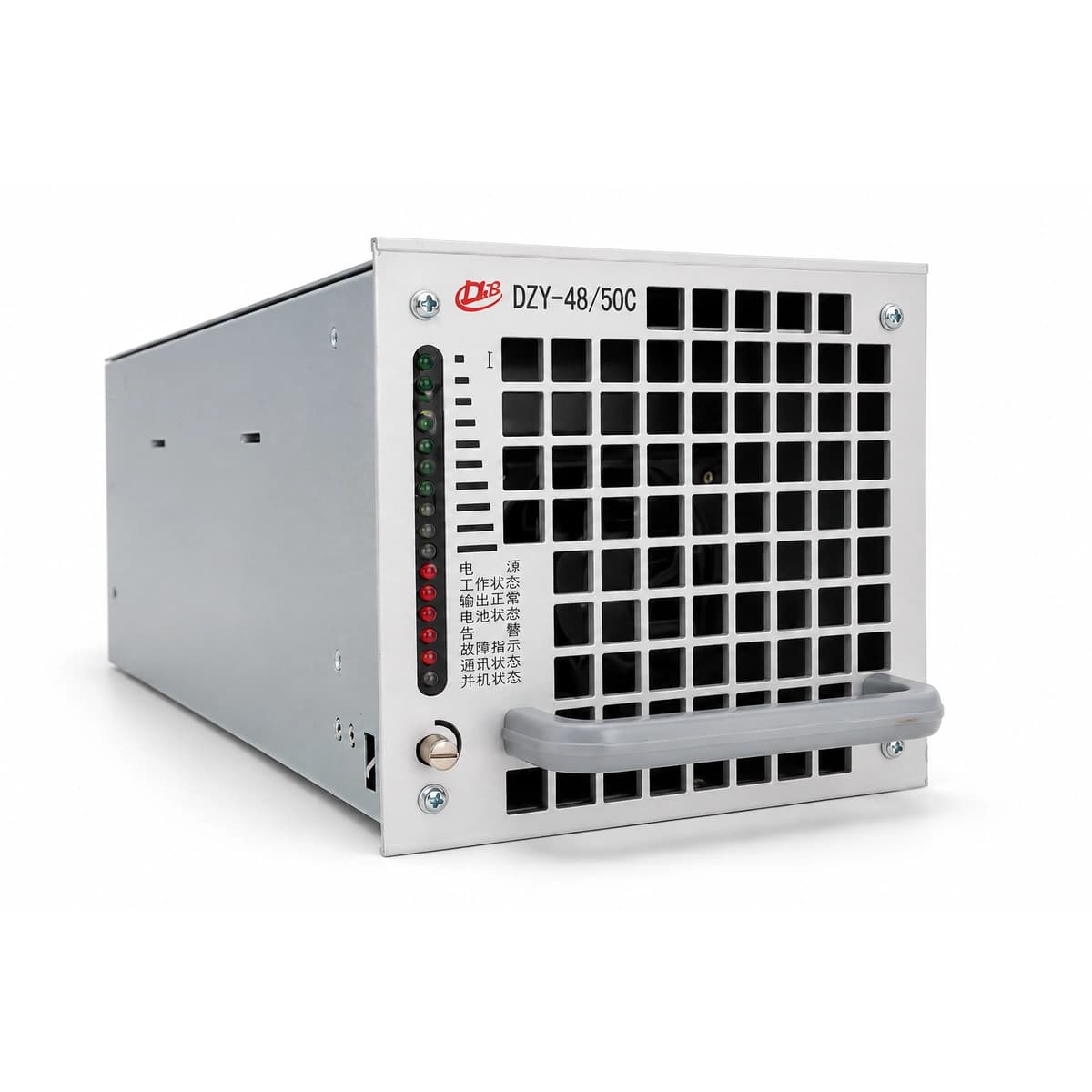
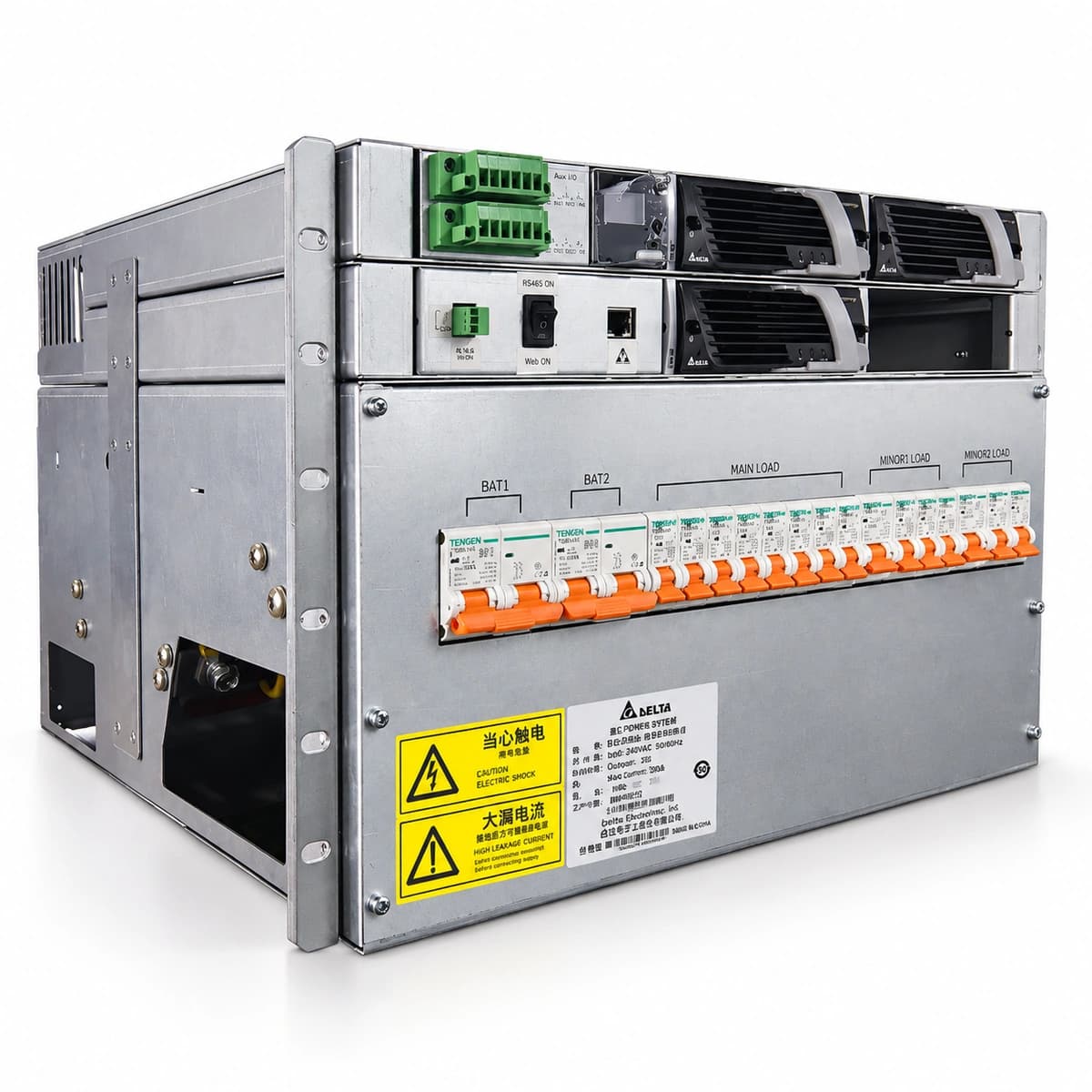
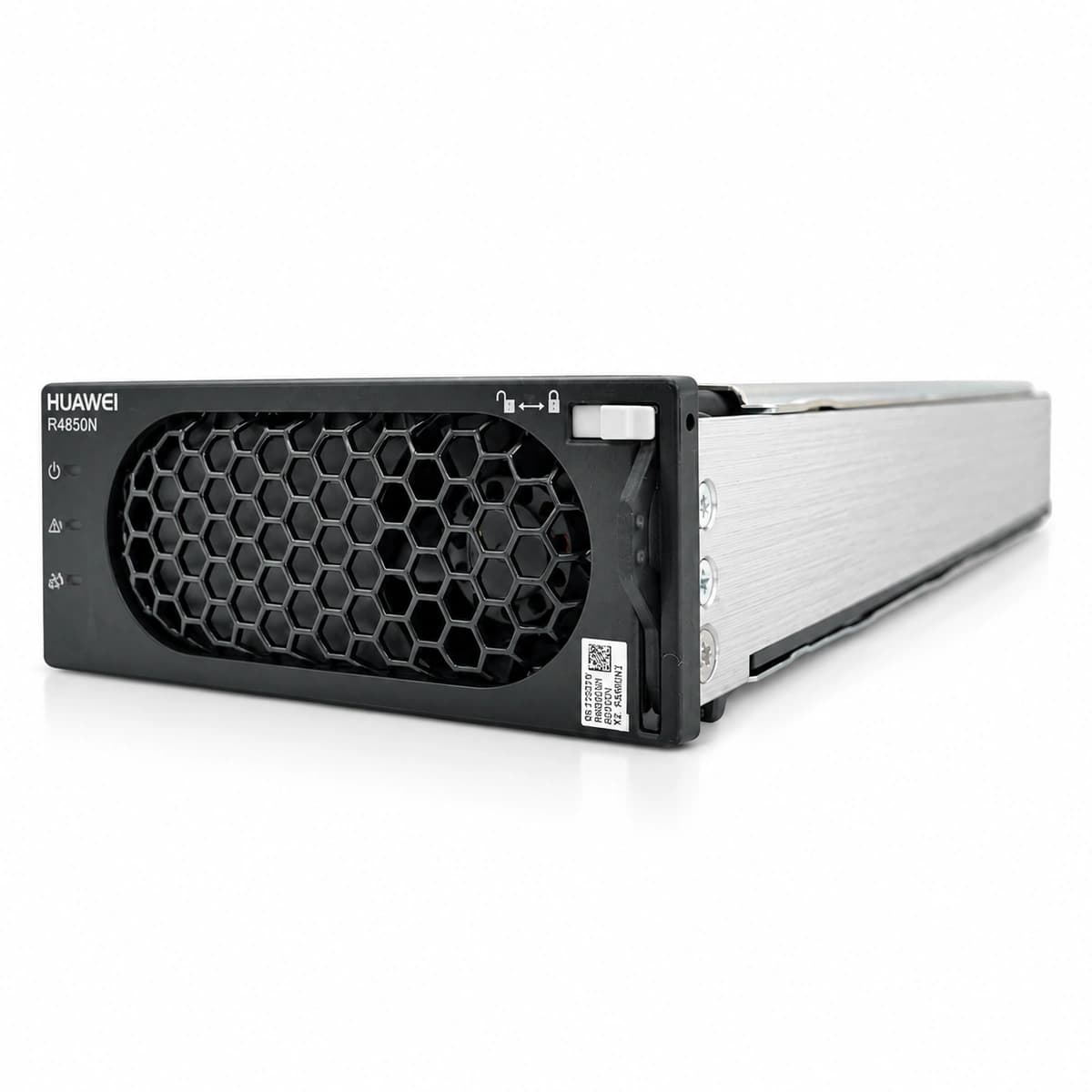
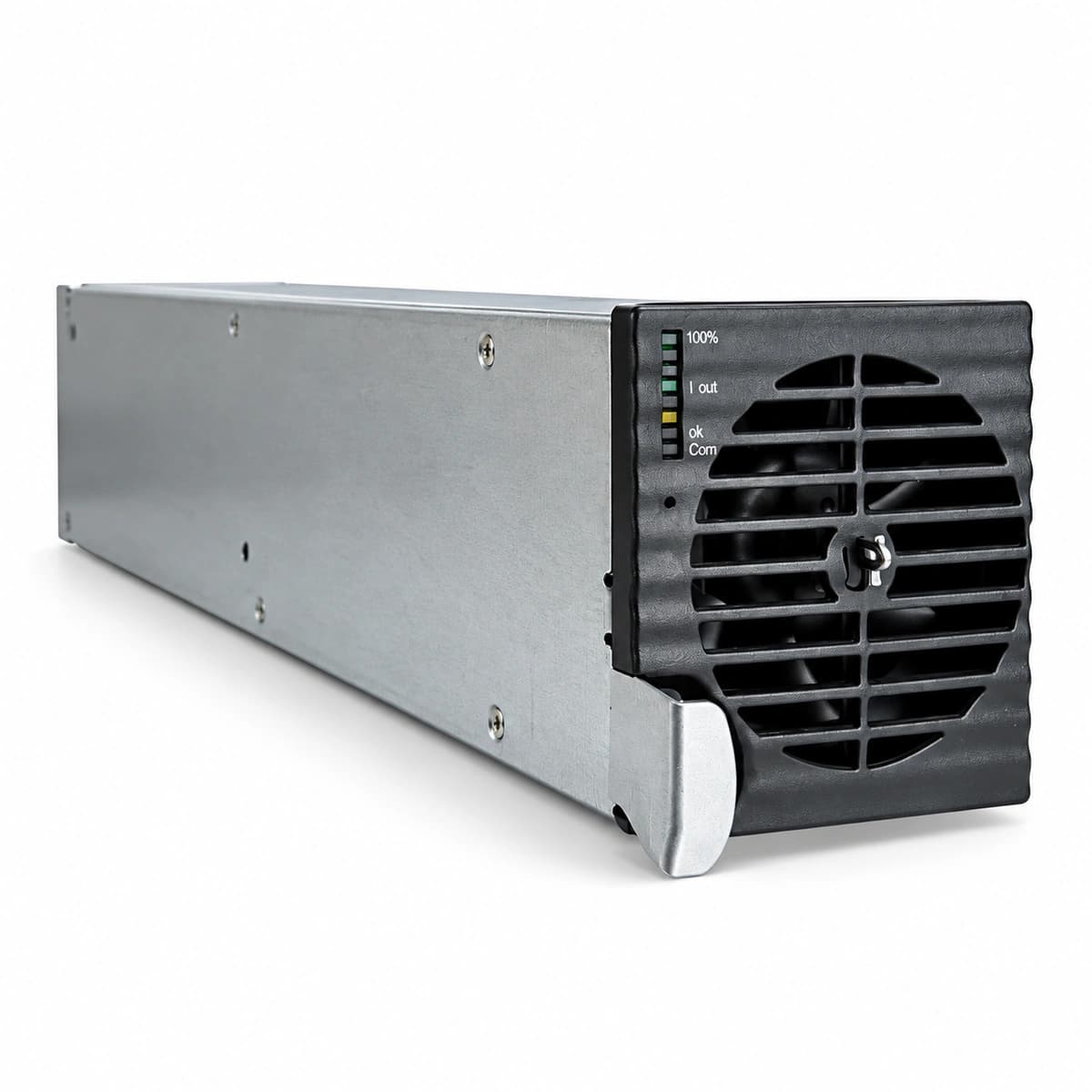
A resilient cable landing station normally uses independent A and B AC-to-DC power chains so that a single upstream power fault, rectifier failure, maintenance action, or distribution event does not remove all critical DC supply. Each chain typically includes AC input protection, rectifier modules, DC bus equipment, battery strings, and selectively protected outgoing feeders. This architecture is engineering guidance and is not a reported feature of the Taiwan-Matsu No. 4 project.
-48 V DC systems are widely used in telecommunications because they support efficient distribution, equipment compatibility, and centralized battery backup. Rectifier systems should be sized for measured steady-state load, expected growth, recharge demand, and failure scenarios. Selective DC distribution requires coordinated breakers or fuses so that a branch fault clears locally instead of collapsing an entire DC bus.
Bonding, grounding, and surge coordination are essential because landing stations combine long metallic pathways, power systems, optical equipment, and environmental exposure. Engineering practice should coordinate protective devices, minimize unwanted fault paths, and verify that transient energy is controlled without creating unnecessary service interruptions. Specific standards clauses or equipment specifications should only be applied when confirmed by the project documentation.
Verify independent A/B power paths
Coordinate DC protection selectivity
Review bonding and surge controls
3. Battery autonomy design based on measured requirements
Battery autonomy should be calculated from the actual critical DC load rather than a universal time target. The design process begins with measured current demand, including terminal equipment, optical transport, routers, control systems, monitoring systems, and other essential loads. A basic energy calculation uses battery capacity approximately equal to load current multiplied by required backup duration, adjusted for discharge efficiency, aging margin, temperature effects, and allowable depth of discharge.
A practical decision process considers the minimum required operating period until another energy source becomes available. Factors include generator-start time, generator stabilization, fuel availability, recharge power after restoration, battery temperature, end-of-life capacity, and the maximum permitted discharge level. Engineers should validate the calculation with real operating measurements rather than relying only on nameplate battery ratings.
Battery systems should be evaluated across the full lifecycle. A battery selected for initial capacity may provide less available energy after aging, elevated temperature exposure, repeated discharge cycles, or poor charging conditions. Conservative designs include monitoring margins and scheduled verification so that the available autonomy remains aligned with the required continuity objective.
Measure critical DC current
Include aging and temperature margins
Test generator-start scenarios
4. Failure-domain isolation and maintainable DC distribution
Cable landing stations contain multiple operational domains that should not share unnecessary failure points. Wet-plant interfaces, terminal equipment, optical transport, routers, control systems, cooling systems, and auxiliary services should be reviewed separately to determine which loads require continuous DC power and which can tolerate interruption. Isolation reduces the impact of individual equipment faults or maintenance activities.
Selective breakers, fuses, and distribution panels should be coordinated so a downstream failure is cleared before it affects upstream critical loads. This requires fault-current analysis, protection verification, labeling accuracy, and clear maintenance procedures. Redundant feeds should be physically and logically separated where practical to reduce common-cause failures.
Maintainability is a core reliability factor. Operators should be able to inspect, replace, and test individual components without shutting down protected services. The design should support safe access, clear alarm identification, and controlled switching procedures during planned work or emergency recovery.
Map every critical load domain
Verify breaker coordination
Design for safe maintenance
5. Monitoring and commissioning of resilient DC systems
Commissioning should confirm that the installed power system behaves as designed under normal and abnormal conditions. Measurements should include per-feed current, DC bus voltage, voltage stability, ripple, insulation or ground alarms, battery impedance, and charger operation. These measurements establish a baseline for future troubleshooting and preventive maintenance.
Functional testing should include controlled transfer events, black-start procedures where applicable, battery discharge verification, alarm validation, and restoration testing. Test plans should reflect the actual installed architecture and operating procedures. Engineering teams should avoid claiming compliance with specific standards clauses unless those clauses have been formally verified against the project requirements.
Continuous monitoring improves operational awareness by identifying gradual degradation before it becomes a service interruption. Trending battery impedance, current imbalance, voltage behavior, and alarm history helps operators prioritize maintenance and detect emerging failure conditions.
Record commissioning baselines
Validate alarms and transfers
Trend battery health data
6. Operator decision framework and phased audit checklist
Operators can use a structured decision framework: first identify mission-critical services, then measure actual DC demand, then verify redundancy, autonomy, protection coordination, and monitoring coverage. Decisions should be based on documented failure scenarios, measured operating data, and maintainability requirements rather than assumed reliability levels.
A phased audit can begin with documentation review, followed by electrical measurements, protection checks, battery condition assessment, and controlled functional tests. Findings should be ranked by service impact, probability of failure, and ease of mitigation. This approach supports continuous improvement without introducing unsupported assumptions about existing deployments.
RICEWIND provides engineering support for resilient power reviews, including landing station DC architecture assessments, battery autonomy evaluation, and operational audit planning. Contact: ricewind.com, Email: lee@ricewind.com, WhatsApp: +86 17621197907.
Audit architecture and measurements
Prioritize critical risks
Plan phased improvements
Engineering Procurement & Technical Desk
For technical datasheets, custom power topology design, or volume export quotations, reach out to HEFENGQI engineers.