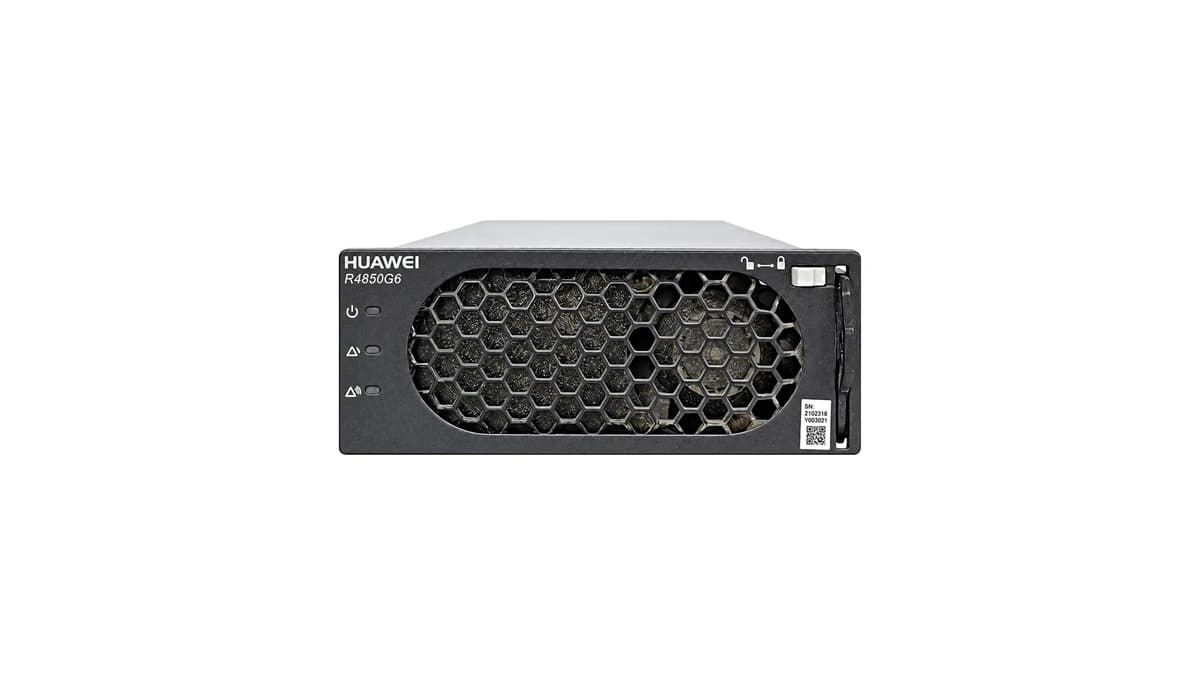
Electrical Architecture & Rated Operating Specifications
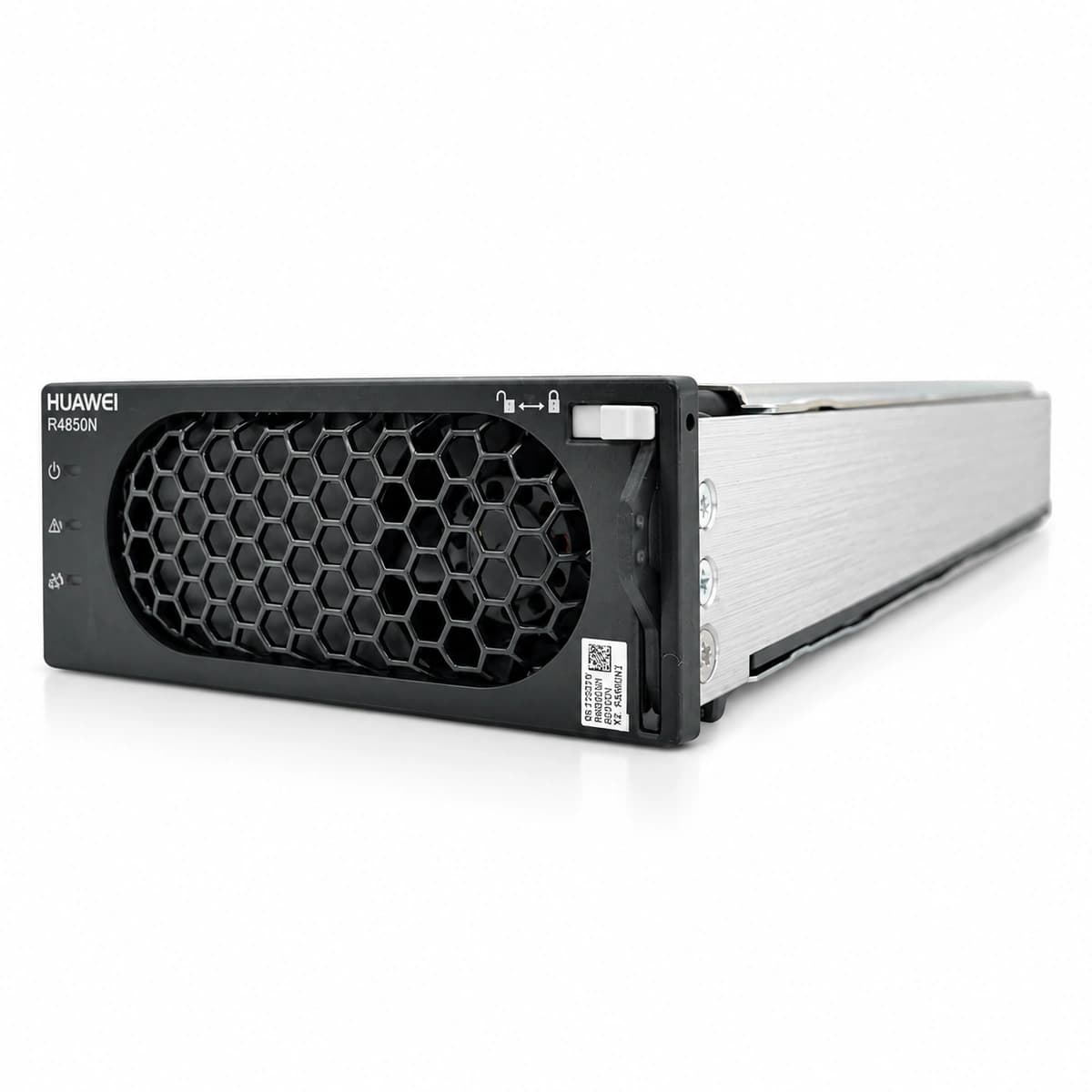
The Huawei R4850G1 is a high-efficiency (peak efficiency >= 96%), high-power-density digital telecom rectifier module widely deployed in ETP48200 and TP48200 indoor/outdoor DC power systems. Its primary function is converting wide-range AC utility power (85V AC to 300V AC) into clean, low-ripple, regulated -48V DC (nominal default 53.5V DC) for telecom base stations, transport networks, and LiFePO4 battery banks.
Input Operating Range: 85V AC to 300V AC (nominal operating window 176V AC to 290V AC, 45Hz to 66Hz).
DC Output Voltage: 42V DC to 58V DC adjustable (rated current 50A, maximum rated output power 3000W).
Linear Power Derating: Derates smoothly from 3000W down to 1200W across 176V AC to 85V AC, preventing system shutdown during severe grid sags.
Conversion Efficiency & MTBF: >=95% efficiency between 25% and 90% load under 230V AC; peak efficiency >=96%; MTBF exceeds 450,000 hours at 40 deg C.
Backplane Socket Pinout & Signal Definitions
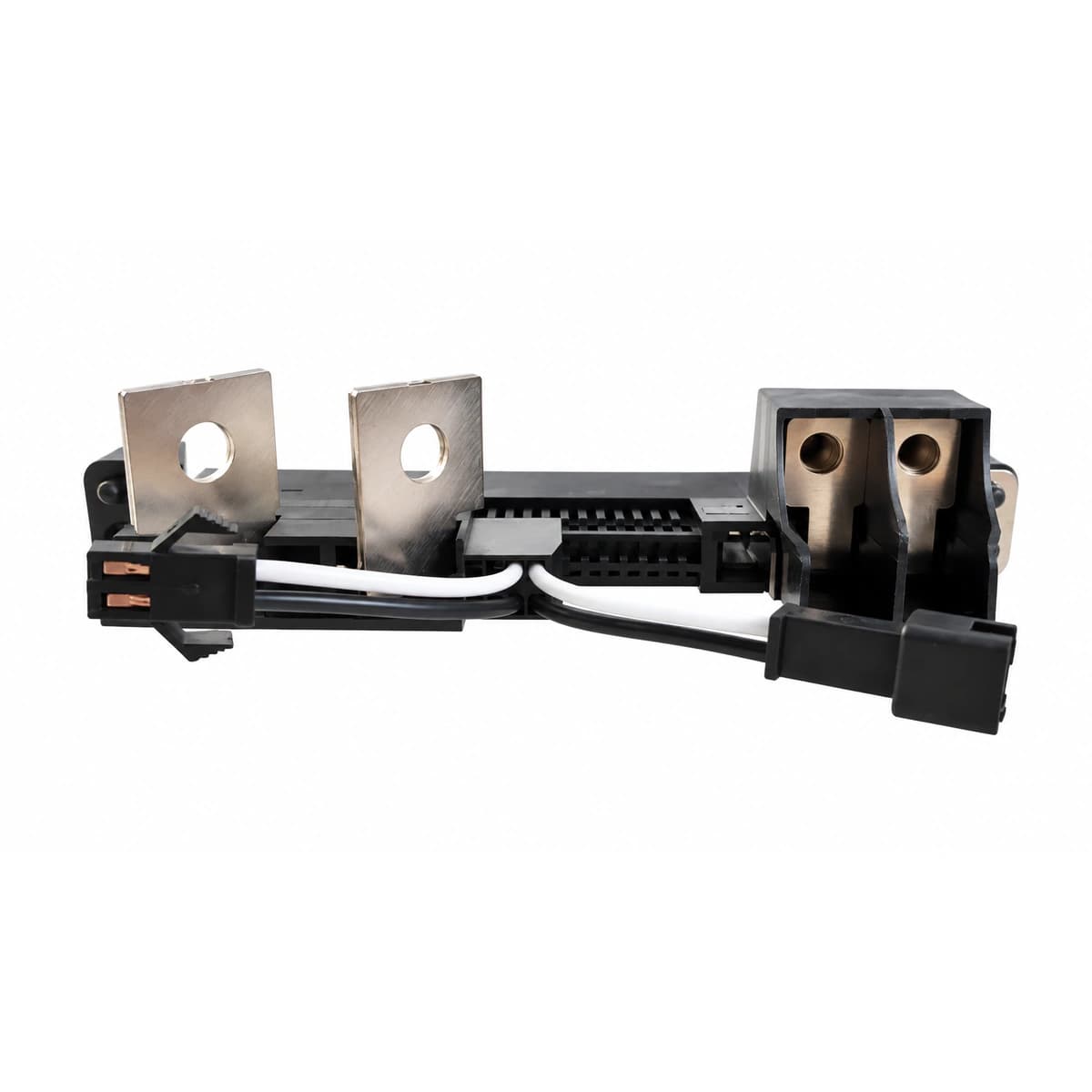
The rear connector features high-density blind-mate terminals integrating both AC/DC power circuits and low-voltage control buses (RS485, hardware address lines, and analog active load sharing). When building standalone test benches or adapting third-party subracks, strictly adhere to the pin definitions to prevent circuit damage:
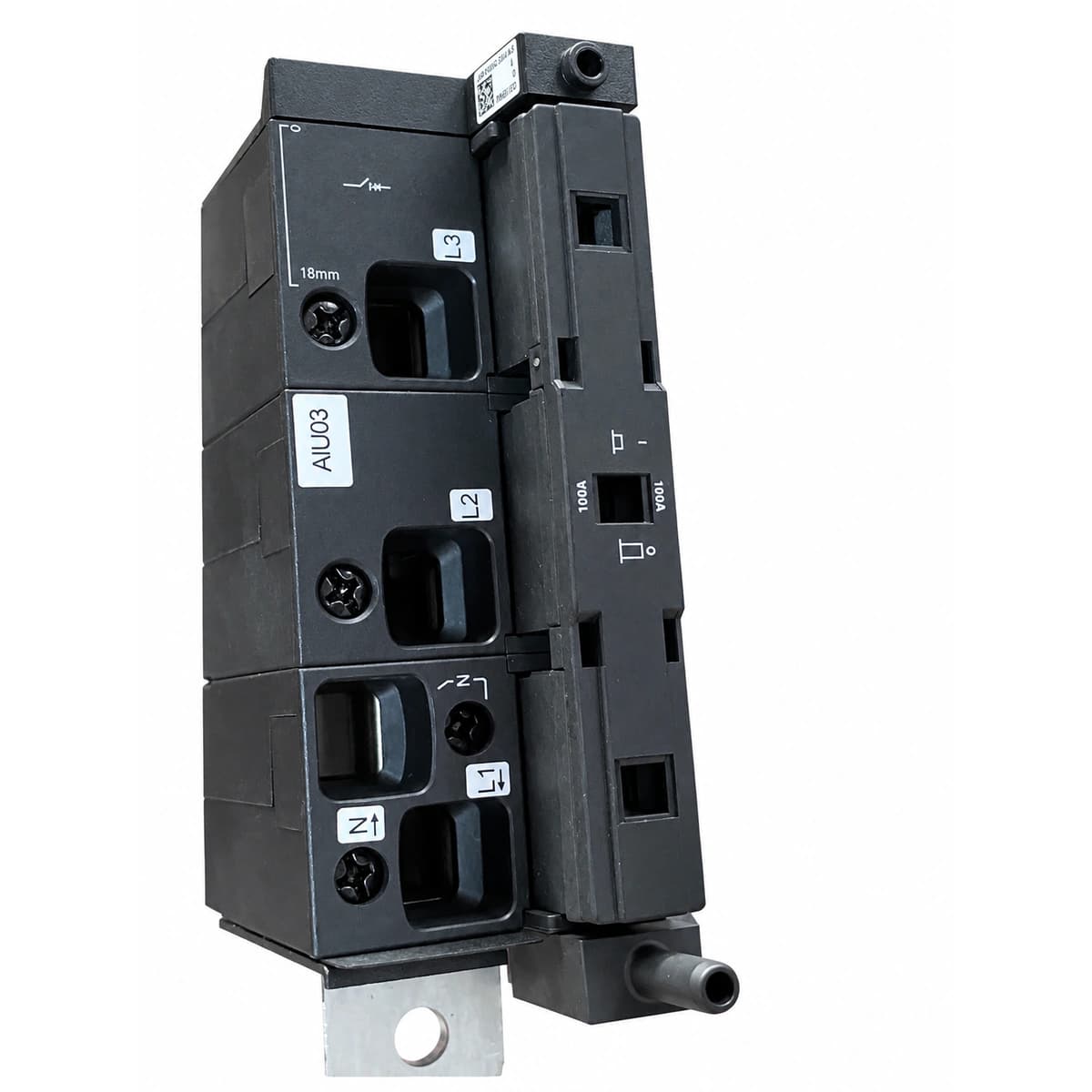
Power Mains Terminals: L (Phase Line), N (Neutral), PE (Protective Earth/Chassis). Both AC inputs feature internal high-breaking-capacity fuses.
DC Output Terminals: DC+ (Positive Ground), DC- (-48V Negative Bus), Pre-charge (contact terminal designed to quench inrush arcing during hot-plugging).
Communication Bus: PIN12 (RS485-) and PIN15 (RS485+). Operates at 9600 bps communicating telemetry and alarm state with SMU02B/SMU02C controllers.
Active Load Share & Current Limit: PIN3 (LOADSHARE+ bus, guaranteeing current unbalance <= +/-5% across parallel units); PIN5 (CURRENT LIMIT+); PIN6 (SEC_GND).
Slot Identification (Hardware Address): PIN1 (ADDRESS0), PIN2 (ADDRESS1), PIN7 (ADDRESS2), PIN8 (ADDRESS3), PIN13 (ADDRESS4), grounded selectively by the subrack backplane.
Standardized Hot-Swap Installation & Maintenance Procedure
Execute the following steps during on-site hot replacement to protect connector gold fingers and maintain uninterrupted DC bus stability:
Mechanical Release: Loosen the front panel locking screw counterclockwise using a PH2 Phillips screwdriver and open the ejector latch outwards to trip the auxiliary contact.
Smooth Extraction: Support the module base with both hands and slide it out horizontally along the chassis guides. Wear insulated thermal gloves as operating heat sinks may be hot.
Alignment & Insertion: Keep the latch open on the replacement module, align with the rail guides, and push firmly until the backplane connector engages completely.
Latch Lock & Verification: Fold the handle inward and tighten the locking screw. Verify the green Run LED lights steadily and the yellow alarm LED extinguishes.
Engineering Support & Inventory Procurement
RICEWIND maintains reliable stock of original Huawei R4850G1, R4850G2, R4850N1, and R4875G1 rectifiers alongside ETP48200 subracks and SMU monitoring units, complete with load-bank factory burn-in test reports and global express shipping.
For technical pinout adaptation or procurement inquiries: lee@ricewind.com | Hotline: +86 17621197907.
Engineering Procurement & Technical Desk
For technical datasheets, custom power topology design, or volume export quotations, reach out to HEFENGQI engineers.