1. Industry Background and Architectural Foundation
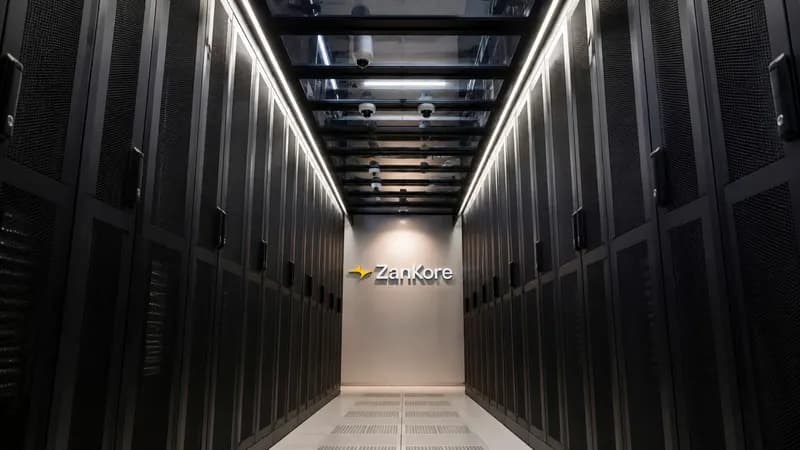
On September 11, 2026, Zankore, a high-profile sovereign AI joint venture between telecom operator Indosat Ooredoo Hutchison (IOH), Nvidia, and Nokia, announced the closing of a landmark $3.1 billion senior term loan facility. Underwritten by an international banking syndicate including Citi, ING, Natixis CIB, and Qatar National Bank (QNB), this transaction represents the largest commercial data center financing in Southeast Asia to date, dedicated to procuring cutting-edge Nvidia GPU accelerators and building Indonesia's first national AI Factory.
Beyond its geopolitical and economic weight, the Zankore deployment highlights a critical global trend: telecom-carrier infrastructure serving as the bedrock for hyperscale AI. While Nokia deploys ultra-dense IP/optical backbones and IOH integrates deep subsea fiber landings, the primary engineering battlefield resides in physical facility design—specifically, operating 40kW to 100kW computing racks within equatorial monsoon climates characterized by high ambient heat and chronic relative humidity exceeding 85% RH.
2. Critical Electrical and Optical Parameter Matrix
High relative humidity coupled with elevated external temperatures eliminates conventional economizer-based free cooling. Without strict thermal barriers, localized condensation risks catastrophic dielectric breakdown across high-voltage busways and high-density server nodes. To mitigate this, facility engineers must design around IEC 60721-3-3 Class 3C2/3B2 atmospheric contamination profiles, integrating closed-loop cold/hot aisle containment with dual-circuit pumped refrigerant economizers to sustain a continuous PUE under 1.28.
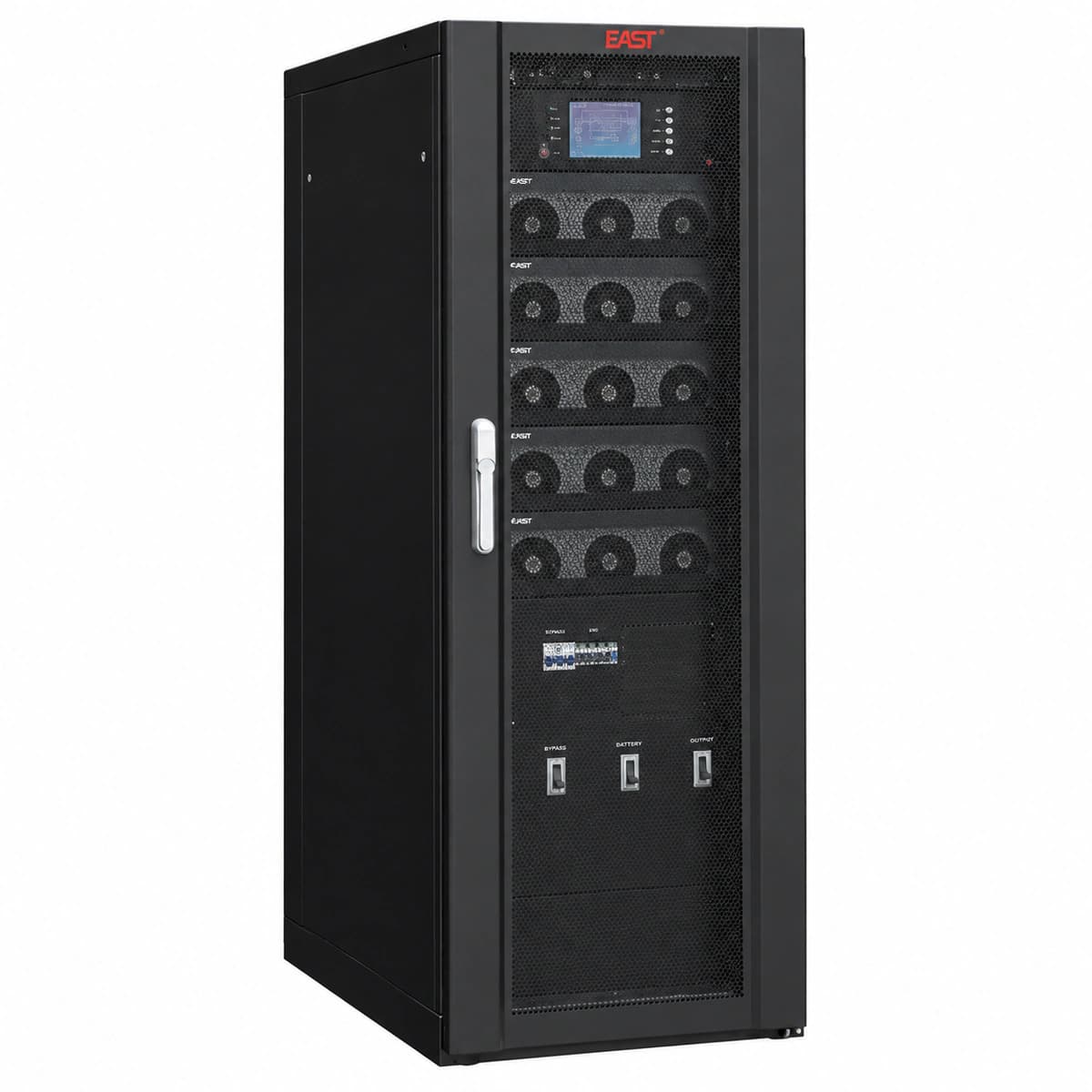
From an electrical engineering perspective, hyperscale training clusters exhibit unprecedented power swing dynamics (transient load steps). Traditional double-conversion static UPS architectures face severe inverter stress during synchronized AI burst-compute cycles, frequently resulting in DC bus voltage sags. Zankore overcomes this limitation by transitioning to modular 240V/336V High Voltage Direct Current (HVDC) configurations paired with rack-level lithium iron phosphate (LFP) energy storage, achieving true sub-millisecond fault clearing and zero-transfer-time battery support.
3. Field Engineering Challenges and Topology Optimization
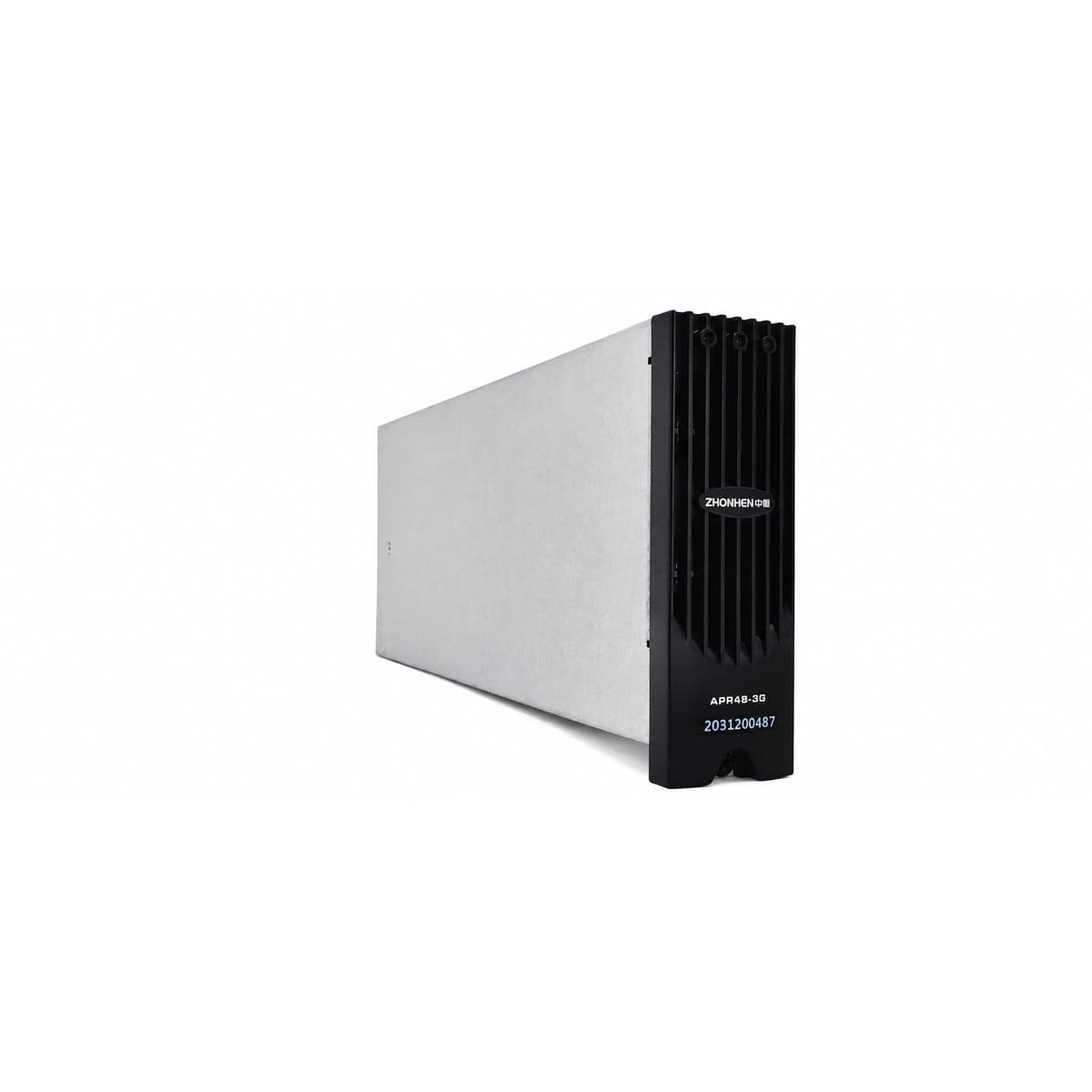
Inside the power distribution frames, switch-mode rectifiers must deliver total harmonic distortion (THD) below 3% alongside peak conversion efficiencies exceeding 97.5%. With N+1 and N+2 hot-swappable redundancy, intelligent power electronics rebalance load currents across surviving modules in under 5 milliseconds during an unexpected phase fault, preventing GPU cluster reboots and costly training checkpoint rollbacks.
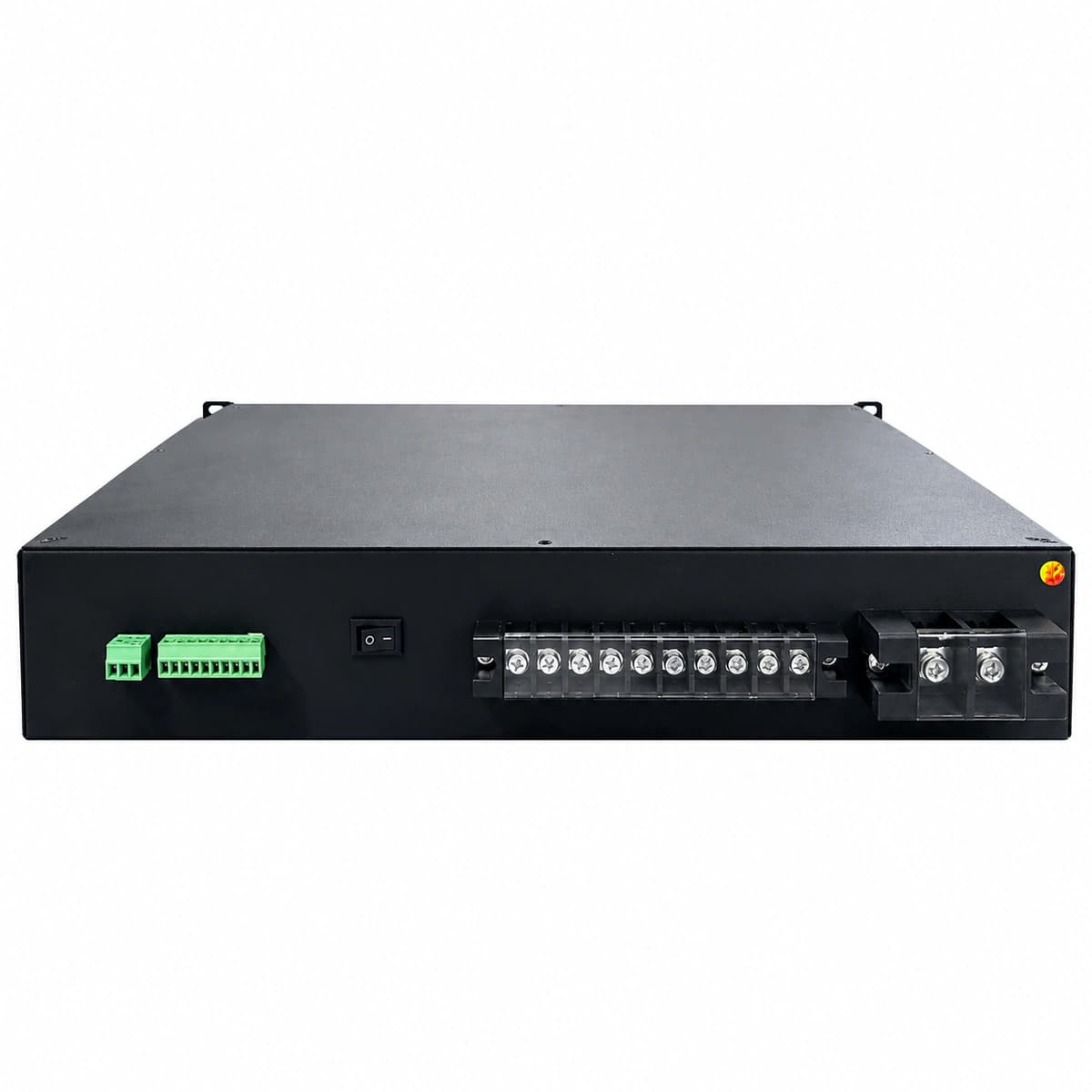
Simultaneously, the facility leverages carrier-grade -48V DC power distribution to isolate mission-critical network fabric from volatile server loads. Nokia's optical transport shelves and core routing fabrics operate on dedicated, dual-bus -48V supplies backed by independent battery strings. This physical partition ensures that out-of-band telemetry, inter-datacenter links, and control planes remain operational for over 4 hours during catastrophic utility grid collapse.
4. Operational Guidelines and Preventive Standards
HEFENGQI / RICEWIND is a premier global manufacturer of mission-critical power equipment and telecommunications enclosures. Our industrial portfolio—including high-efficiency rectifier shelves, intelligent DC PDUs, modular containment systems, and corrosion-resistant outdoor cabinets—complies with CE, UL, and IEC engineering standards, delivering proven resilience across extreme tropical, desert, and maritime deployments.
Global procurement, custom OEM engineering, and project consultation: Email: lee@ricewind.com | WhatsApp: +86 17621197907.
Engineering Procurement & Technical Desk
For technical datasheets, custom power topology design, or volume export quotations, reach out to HEFENGQI engineers.