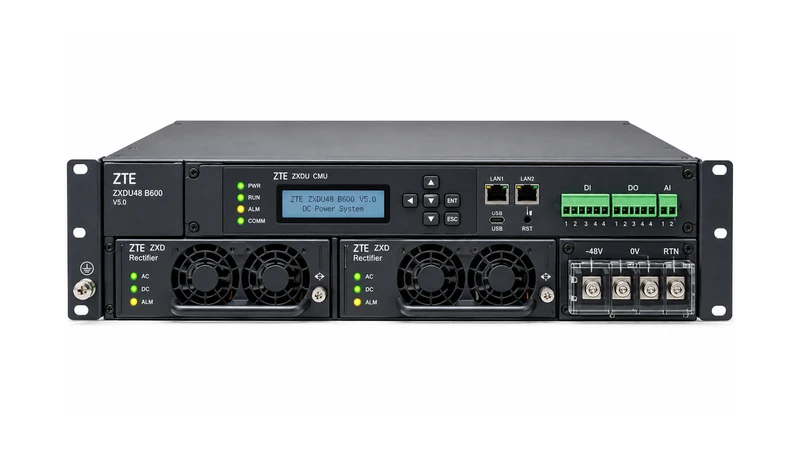
1. Core System Architecture and Compact 2U Electrical Specifications
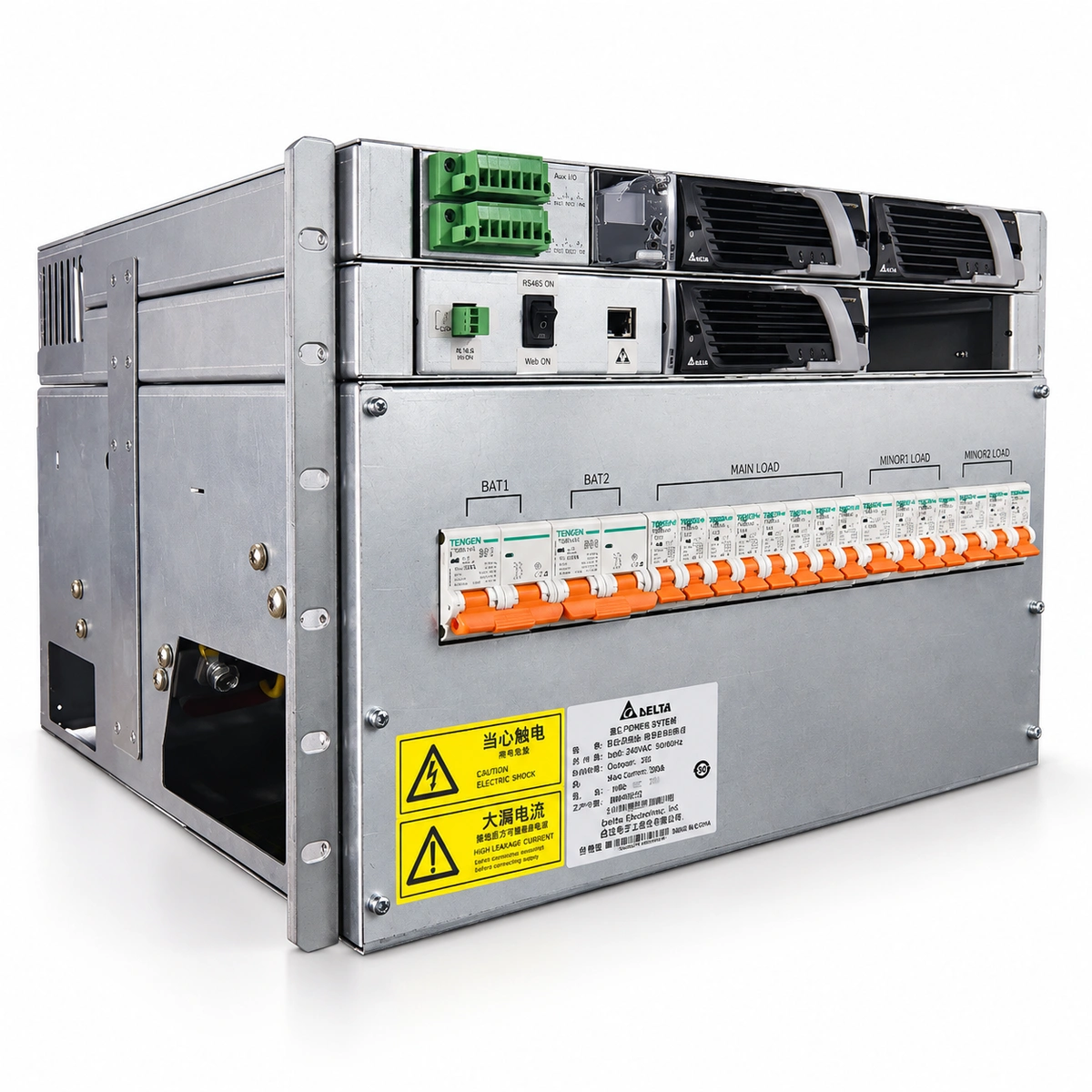
The ZTE ZXDU48 B600 (V5.0) is a standard 19-inch 2U rack-mounted embedded DC power supply system engineered for modern high-density telecom rooms, micro base stations, edge computing nodes, and enterprise access facilities. Designed for -48VDC nominal output (adjustable between -42VDC and -58VDC), the complete system delivers a maximum rated DC output current of 60A, supporting continuous telecom workloads up to 3000W-3200W. Within a compact 2U chassis (88.9 mm height, 482.6 mm width, and approximately 300 mm depth), the unit seamlessly integrates AC power distribution (AC PDU), high-frequency switch-mode rectifier slots, a centralized supervision unit (CSU/SMU), and DC power distribution (DC PDU).
On the grid interface, the ZXDU48 B600 (V5.0) features global utility compatibility, operating across a wide single-phase AC input voltage range from 80VAC to 300VAC (45Hz to 65Hz). In low utility conditions between 80VAC and 176VAC, the system automatically executes linear derating rather than shutting down, preventing unexpected site outages during severe voltage sags or diesel generator transitions. It features comprehensive surge protection (nominal 20kA Class C AC surge suppression), complies with IEC 60950-1 dielectric safety, and maintains system energy conversion efficiency above 96% under standard load conditions, substantially cutting thermal dissipation and improving site PUE.
Nominal DC Output: -48VDC (adjustable -42VDC to -58VDC) with a maximum rated current of 60A.
Mechanical Form Factor: Standard 19-inch rack-mount, ultra-compact 2U height (~300mm depth), front-access cabling and maintenance.
Grid Input Flexibility: 80VAC to 300VAC (45Hz-65Hz), featuring seamless non-tripping linear derating between 80V and 176V.
Electromagnetic Compliance: Integrated 20kA AC surge protection, adhering to strict EN55022 Class B standards.
2. Rectifier Slot Architecture, Hot-Plug Topology, and Supervision Integration
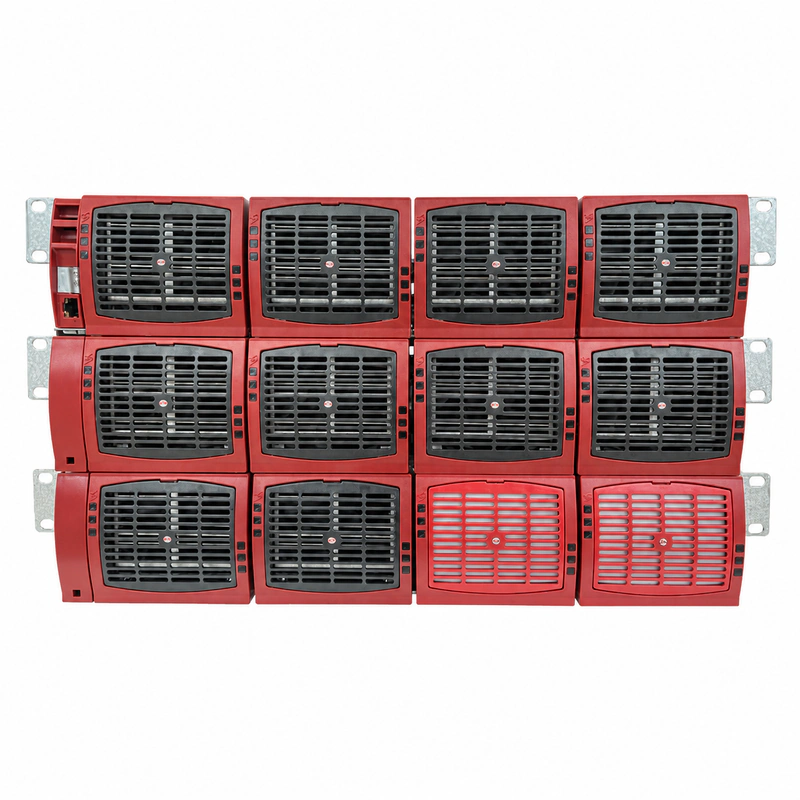
The ZXDU48 B600 (V5.0) chassis incorporates an N+1 modular redundancy architecture with dedicated blind-mate rectifier slots located on the front panel. It accommodates ZTE high-efficiency hot-swappable rectifier modules. In case of utility surge, internal overtemperature, or component degradation on a single rectifier, the faulty module is electrically isolated within milliseconds while remaining units balance the workload with current sharing imbalance below ±3%, avoiding bus voltage collapse.
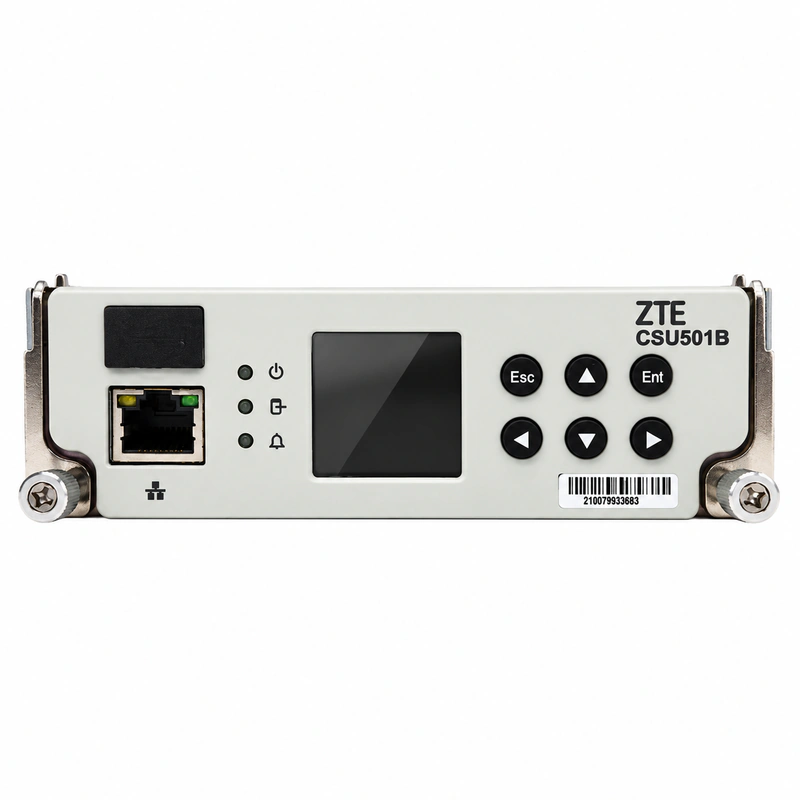
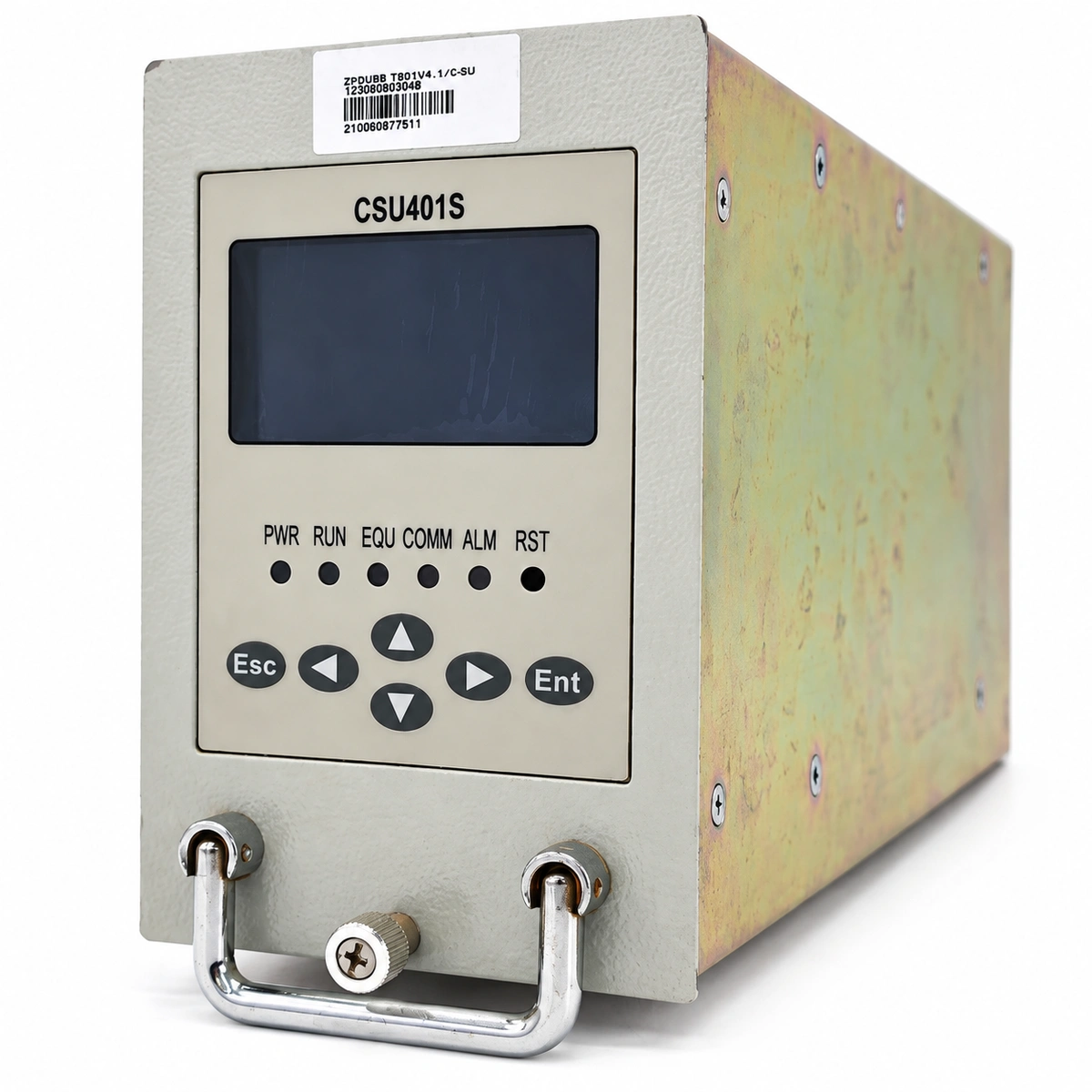
The centralized monitoring controller provides real-time telemetry across input voltage, frequency, total DC bus voltage, branch load currents, battery charging/discharging rates, and ambient temperatures. Equipped with RS232, RS485, and RJ45 Ethernet ports, the controller natively supports standard YD/T 1363 telecom management protocols and SNMP, facilitating seamless integration with operator OSS and DCIM platforms for automated alerting, remote configuration, and unmanned facility operations.
True Hot-Swap Maintenance: Rectifier and controller modules support live hot-swapping without bus arcing or voltage dips.
Active Current Sharing: Autonomous hardware load balancing maintaining current error under ±3% across modules.
Industrial Protocol Integration: Native support for RS485, RS232, and Ethernet with SNMP and YD/T 1363 compliance.
Intelligent Diagnostics: Front-panel LED indicators and local digital display menus, complemented by configurable dry contacts.
3. DC Distribution Hierarchy and Intelligent Battery Protection (LLVD/BLVD)
In the DC power distribution unit (DC PDU), the ZXDU48 B600 (V5.0) incorporates a dual-stage disconnect safety architecture. DC distribution features multi-circuit breakers or fuses across various ratings (e.g., 10A, 16A, 20A, and 32A), segmenting loads into mission-critical communication gear and non-essential auxiliary circuits.
During prolonged utility outages, as battery capacity discharges to the primary threshold (LLVD, typically 44.0VDC to 44.5VDC), the system automatically disconnects auxiliary loads to conserve backup energy for core transceivers. If grid power remains unavailable and battery voltage drops toward the second cut-off threshold (BLVD, typically 43.0VDC to 43.2VDC), the battery circuit breaker opens to prevent irreversible deep-discharge damage. Additionally, the supervisor performs temperature-compensated float charging, automated equalization, and scheduled battery discharge testing, maximizing battery string life.
Two-Stage Disconnect Protection: Hardware-enforced LLVD (Load Low Voltage Disconnect) and BLVD (Battery Low Voltage Disconnect).
Temperature Compensation: Dynamic float voltage adjustment (-3mV/deg C to -5mV/deg C per cell) preventing thermal runaway.
Multi-Channel DC Protection: Selective circuit protection for multiple branch circuits with clear trip status indication.
Universal Battery Compatibility: Full algorithmic support for both traditional VRLA lead-acid and modern LiFePO4 lithium batteries.
4. Procurement Due Diligence, Refurbishment Identification, and Genuine Delivery
Given high market demand for 2U embedded DC systems, counterfeit assemblies, refurbished units, and substandard clones frequently surface in unofficial distribution channels. Engineering procurement teams must enforce stringent inspection checkpoints. First, cross-reference the laser-etched nameplates and barcodes on the chassis frame and rectifier modules against internal hardware UUIDs retrieved via the controller menu; serial numbers must match perfectly. Second, inspect internal copper busbars, DC contactor points, and AC input terminals; refurbished hardware typically exhibits contact pitting, arc burn marks, or secondary grinding.
Third, verify that chassis sheet metal uses electro-galvanized cold-rolled steel with low protective ground resistance (< 0.1 Ohm) and UL94-V0 flame-retardant terminal plastics. At RICEWIND, all telecom power inventory undergoes rigorous full-load burn-in testing, dielectric insulation validation, and complete traceable documentation. For engineering inquiries and procurement support, contact lee@ricewind.com or call +86 17621197907.
Triple-Point Serial Verification: Match physical chassis labels, module serial numbers, and software firmware UUIDs.
Internal Contactor Inspection: Ensure zero arc erosion or contact oxidation on LLVD/BLVD magnetic relays.
Insulation & Grounding Certification: Verify 2000VAC dielectric withstand test and protective ground impedance < 0.1 Ohm.
Official Technical Support: For genuine engineering procurement and consultation, reach lee@ricewind.com or +86 17621197907.
Engineering Procurement & Technical Desk
For technical datasheets, custom power topology design, or volume export quotations, reach out to RICEWIND engineers.