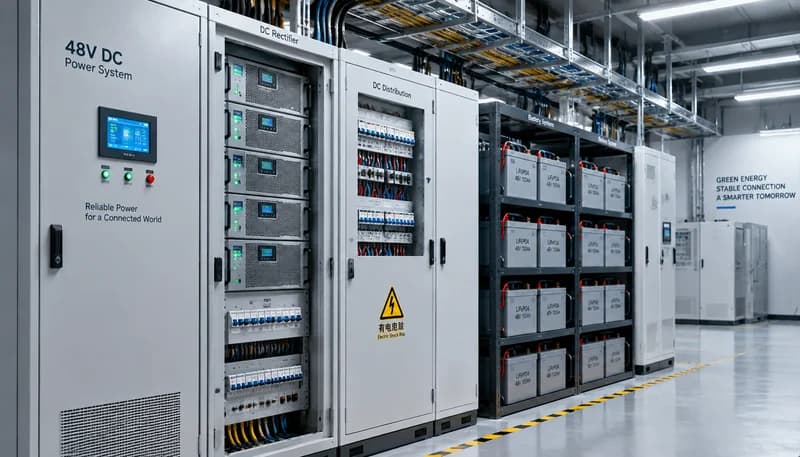
1. Scientific Capacity Calculation: Beyond Rule-of-Thumb Estimation
The rated total output capacity of a DC power system must comprehensively support three critical demands: regular operational load currents, battery charging current allowances, and dedicated N+1 or N+2 redundancy margins.
Load current is derived by multiplying total equipment power draw by the concurrency factor and dividing by the minimum operating voltage threshold (typically 48V or 43.2V). Battery charging allowances require an additional 0.1C to 0.2C rate based on nominal lead-acid or LiFePO4 battery capacity.
Engineers must strictly avoid sizing systems at borderline full load. When an individual rectifier module suffers hardware failure or surge breakdown, remaining active modules must seamlessly sustain peak operational demand while preserving battery float charging.
2. Core Rectifier Benchmarks: Efficiency & Thermal Derating Curves
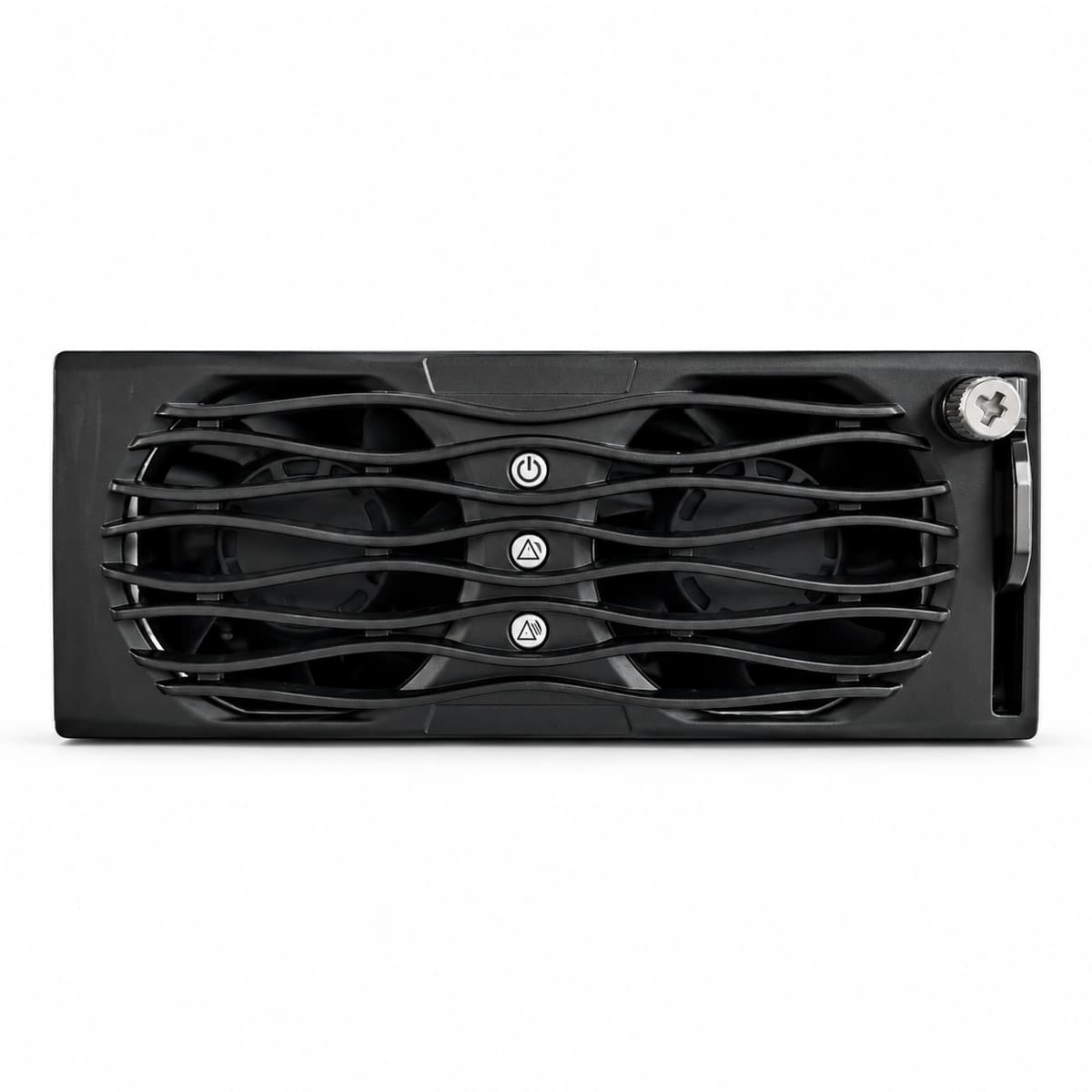
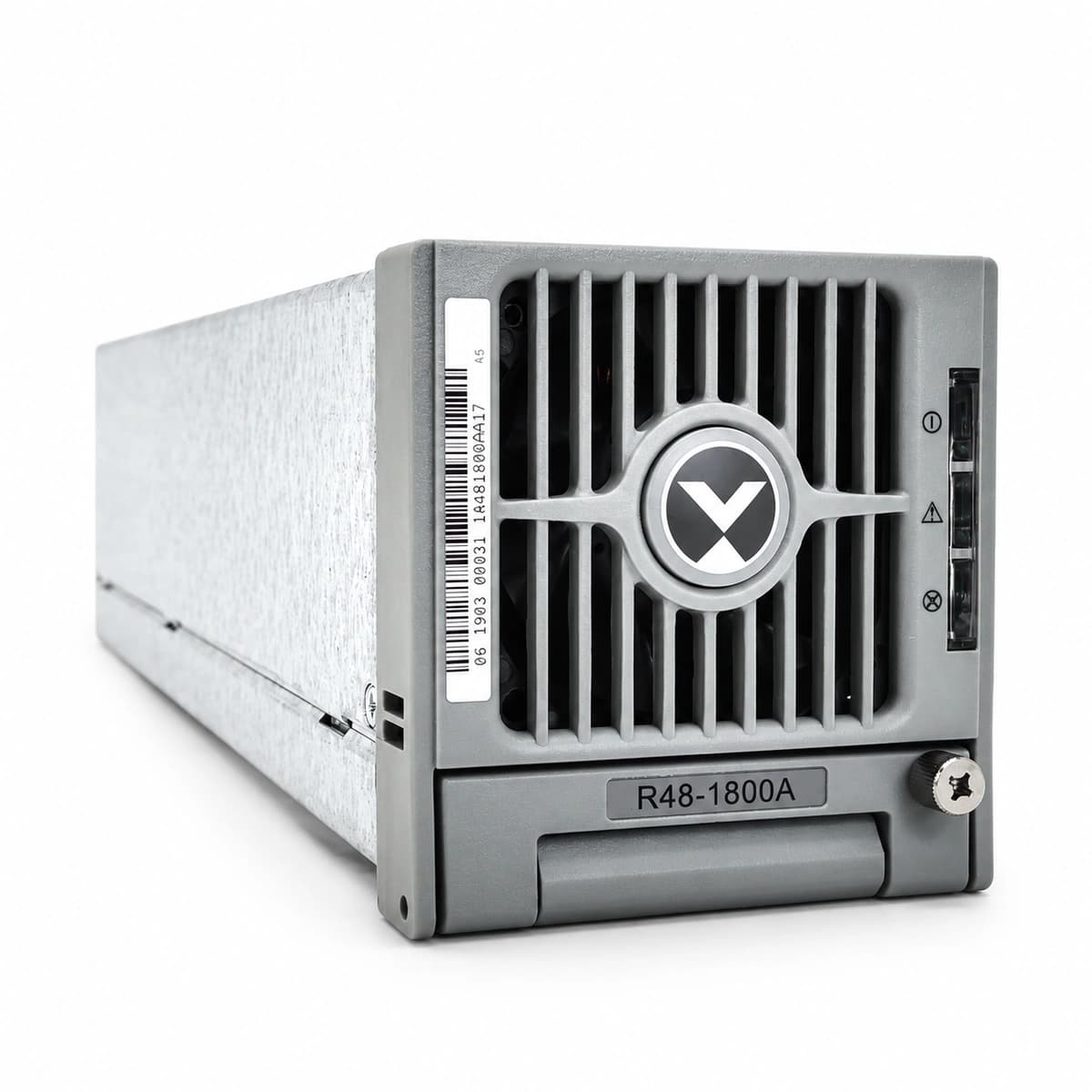
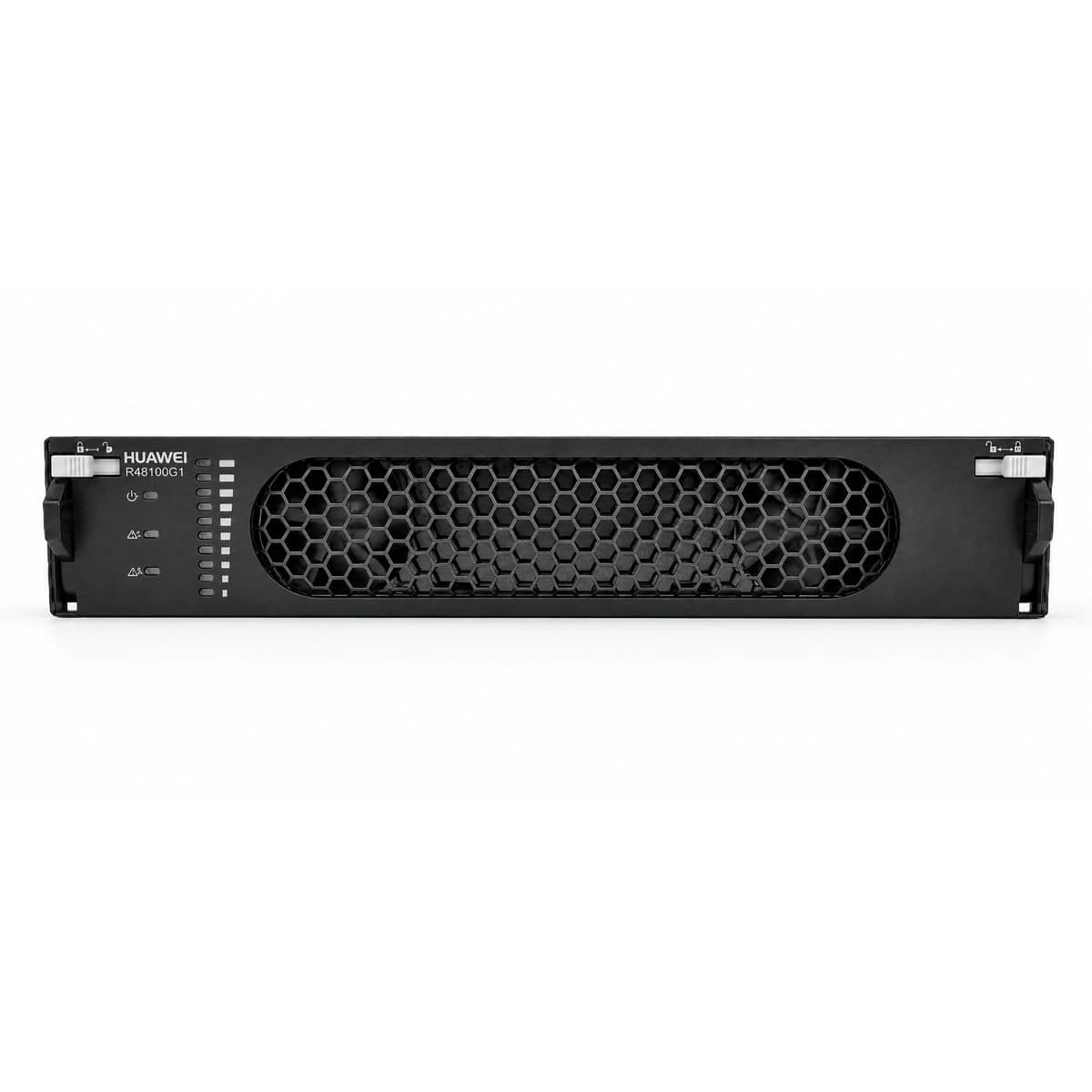
The rectifier module executes AC-to-DC conversion and dictates system quality. Priority should be given to modules delivering 96% to 98% peak efficiency (Titanium grade), where every single percentage point improvement substantially curtails thermal dissipation and annual power utility bills.
Operating temperature limits and thermal derating curves represent the defining benchmark of industrial durability. Premium rectifiers sustain 100% full power delivery across -40°C to +43°C or even +55°C ambient conditions, whereas substandard units cut output sharply above 40°C, risking site outages during peak summer periods.
Key selection criteria also mandate ultra-wide input voltage ranges (85VAC to 300VAC), power factor (PF >= 0.99, THD <= 5%), live hot-swap capabilities, and autonomous CAN-bus active load sharing.
3. Power Distribution Architecture & Two-Stage LVD Protection
In long-duration grid outages, inadequate branch distribution and missing disconnect contactors frequently cause irreversible battery damage and complete service blackouts. Robust systems must integrate rigorous two-stage low-voltage disconnect protection.
The primary stage is Load Low Voltage Disconnect (LLVD): when utility power fails and battery voltage drops to an initial threshold (e.g., 45V/46V), non-essential loads such as cooling fans and auxiliary sensors are automatically disconnected to extend runtime for critical networking loads.
The secondary stage is Battery Low Voltage Disconnect (BLVD): as voltage reaches the critical discharge cutoff (e.g., 43.2V), core transmission and routing loads are fully disconnected, preventing battery cell over-discharge, sulfation, and catastrophic degradation.
4. Form Factor & Deployment Matching Across Operational Scenarios
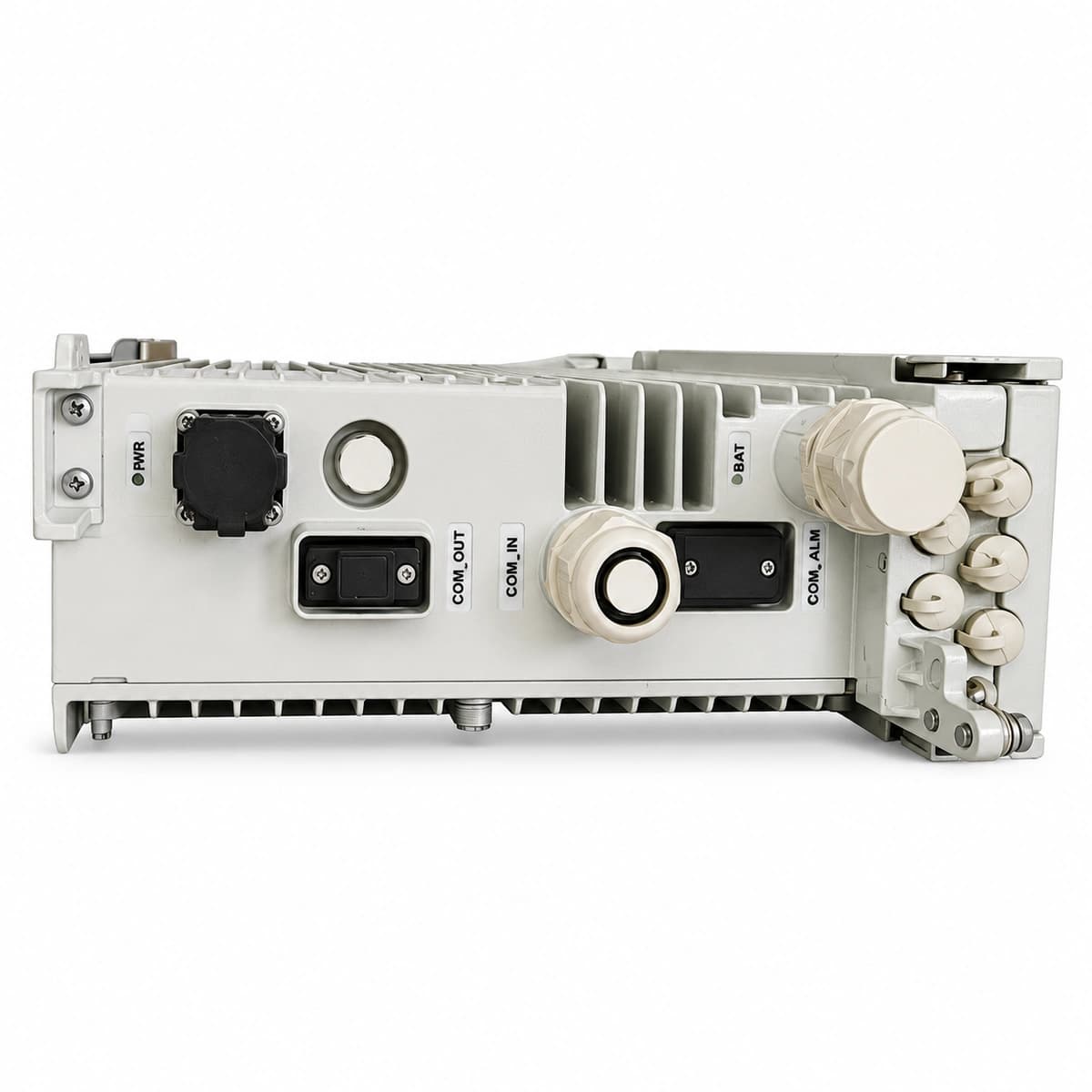
For standard 19-inch equipment racks, compact outdoor telecom shelters, or branch wiring closets, 1U to 9U integrated subrack power shelves are ideal, combining AC/DC distribution, controllers, and hot-swap rectifiers with front-access maintenance.
For central telecom switching centers and core data center aggregation nodes, standalone floor-standing power cabinets rated from 300A to 600A+ are required, featuring dual ATS mains transfer support, flexible top/bottom cabling paths, and Class C surge protection margins.
In harsh outdoor environments such as coastal islands or desert towers without dedicated equipment rooms, integrated IP55-rated outdoor smart power cabinets with climate-controlled partitioning and industrial air conditioners are essential to guarantee reliable operation.
5. Intelligent Controller Units & Southbound/Northbound Protocols
The central supervisory unit drives automated unmanned operation. It must feature a high-contrast LCD screen or touch panel for local alarm auditing and setpoint configuration without requiring a dedicated maintenance laptop.
For southbound sensor telemetry, the controller must provide dual battery temperature channels, ambient humidity interfaces, and dry contacts for door access and water leakage. Northbound connectivity requires RJ45 Ethernet ports with native SNMP v2/v3, Modbus, and HTTP/Telnet protocol compliance.
6. Engineering Delivery & Site Acceptance Checklist
Prior to finalizing technical specifications and procurement agreements, engineering teams should audit: verified N+1 modular redundancy, battery recharging capacity inclusion, high-temperature derating limits suited to local climate extremes, contactor trip threshold testing, and unified facility monitoring platform integration.
Deploying standardized, high-reliability -48V DC power infrastructure establishes a rock-solid operational foundation, maximizing system availability and total cost of ownership (TCO) across 5-to-8 year lifecycle deployments.
Engineering Procurement & Technical Desk
For technical datasheets, custom power topology design, or volume export quotations, reach out to HEFENGQI engineers.