Delivery certainty becomes the next power infrastructure priority
The data center industry is entering a phase where the ability to deliver electrical capacity is becoming as important as the demand for capacity itself. The source article identifies power availability, planning requirements, specialist labor, utility interfaces, and long-lead equipment as factors increasing delivery pressure. For AI facilities, these pressures are amplified because high-density computing environments require reliable and scalable electrical systems before operational value can be realized.
Engineering teams should treat delivery certainty as an electrical architecture objective rather than only a project management concern. A facility that reaches construction completion but lacks energized power paths, tested distribution equipment, or coordinated utility interfaces cannot support AI workloads. Modular power delivery and phased energization provide a framework for reducing dependency on a single final completion event.
Long-lead electrical equipment and interconnection constraints
Long-lead electrical equipment has become a central scheduling risk for large data center programs. The source article notes that traditional sequencing assumptions are under pressure because procurement decisions increasingly need to occur earlier. For major electrical systems, this means transformers, switchgear, protection systems, and associated infrastructure planning may need procurement pathways before every design detail is fully mature.
Interconnection constraints add another layer of uncertainty because utility availability, approval processes, and power delivery milestones directly influence facility readiness. Engineering recommendations should include early utility coordination, documented power milestone ownership, and regular reviews of assumptions affecting energization dates. The goal is not simply to secure equipment but to align equipment arrival, installation, testing, and utility acceptance into one executable sequence.
Modular substations and power blocks as delivery enablers
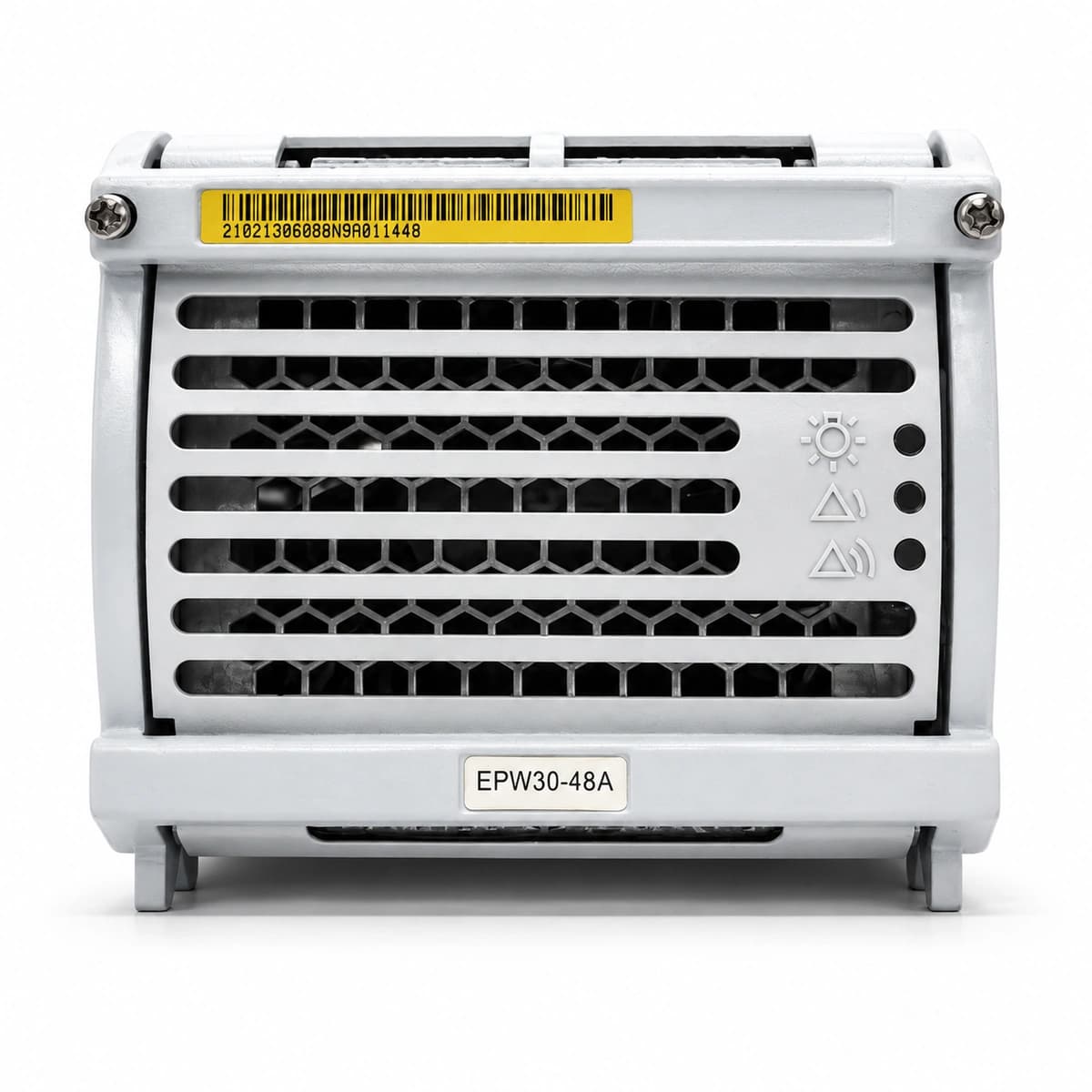
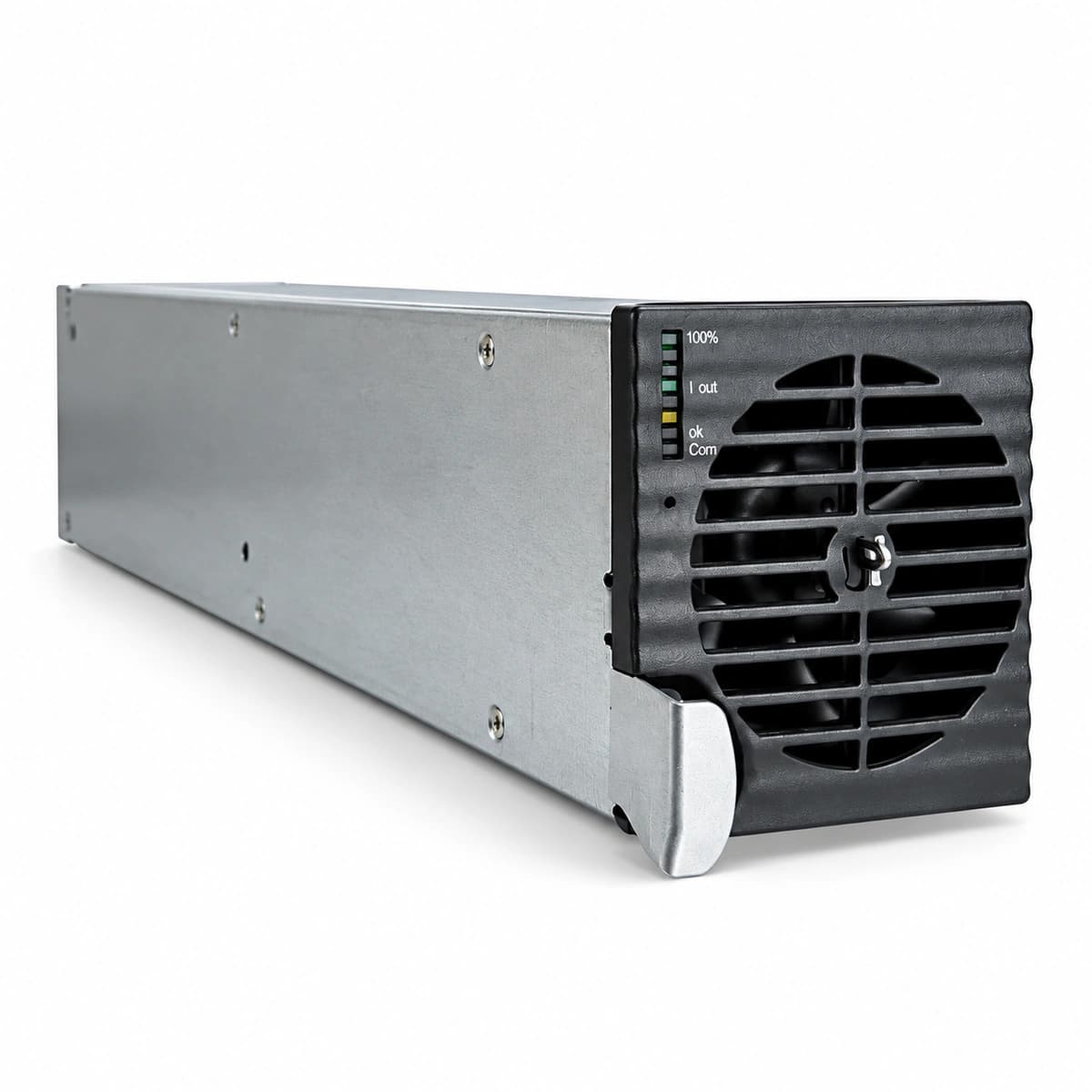
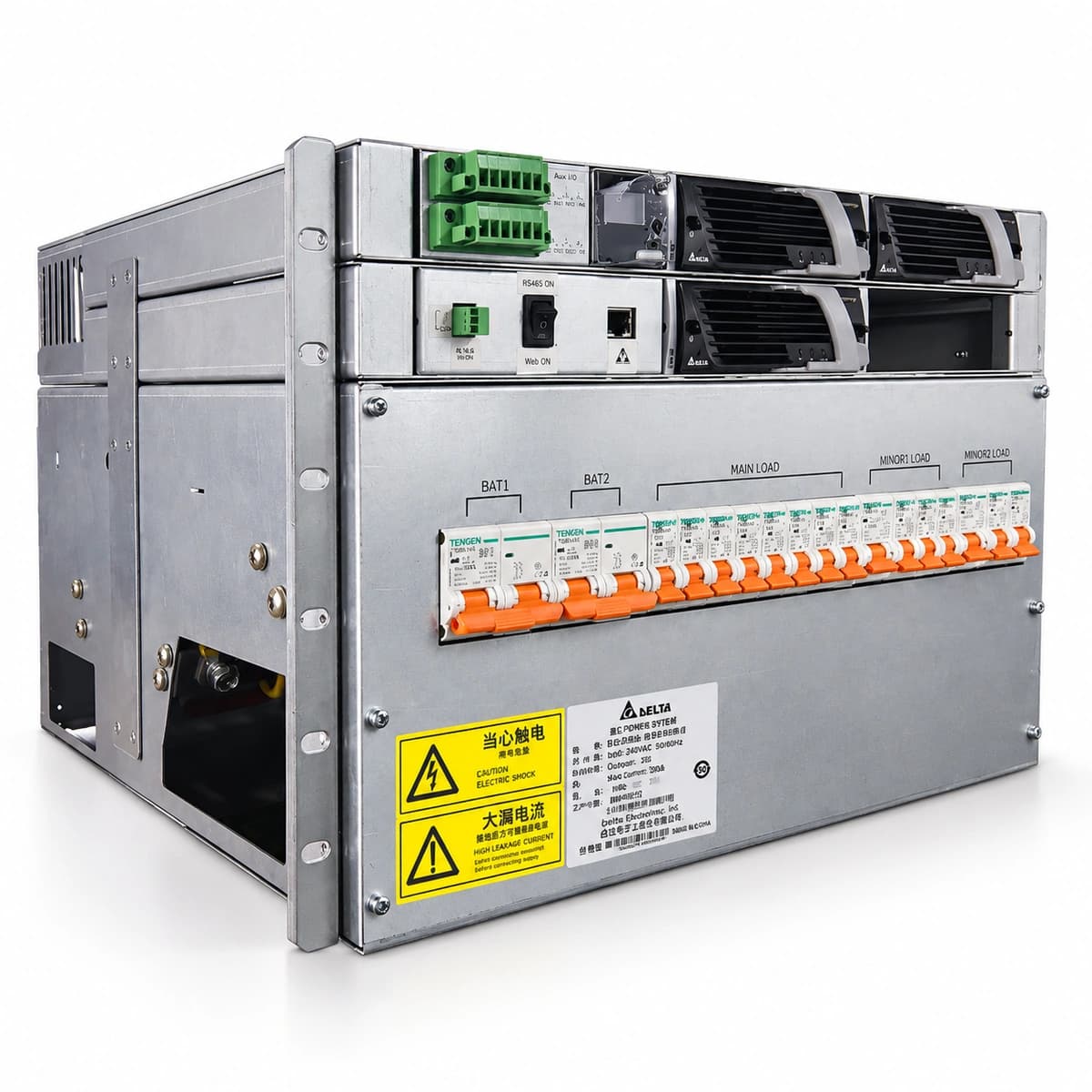
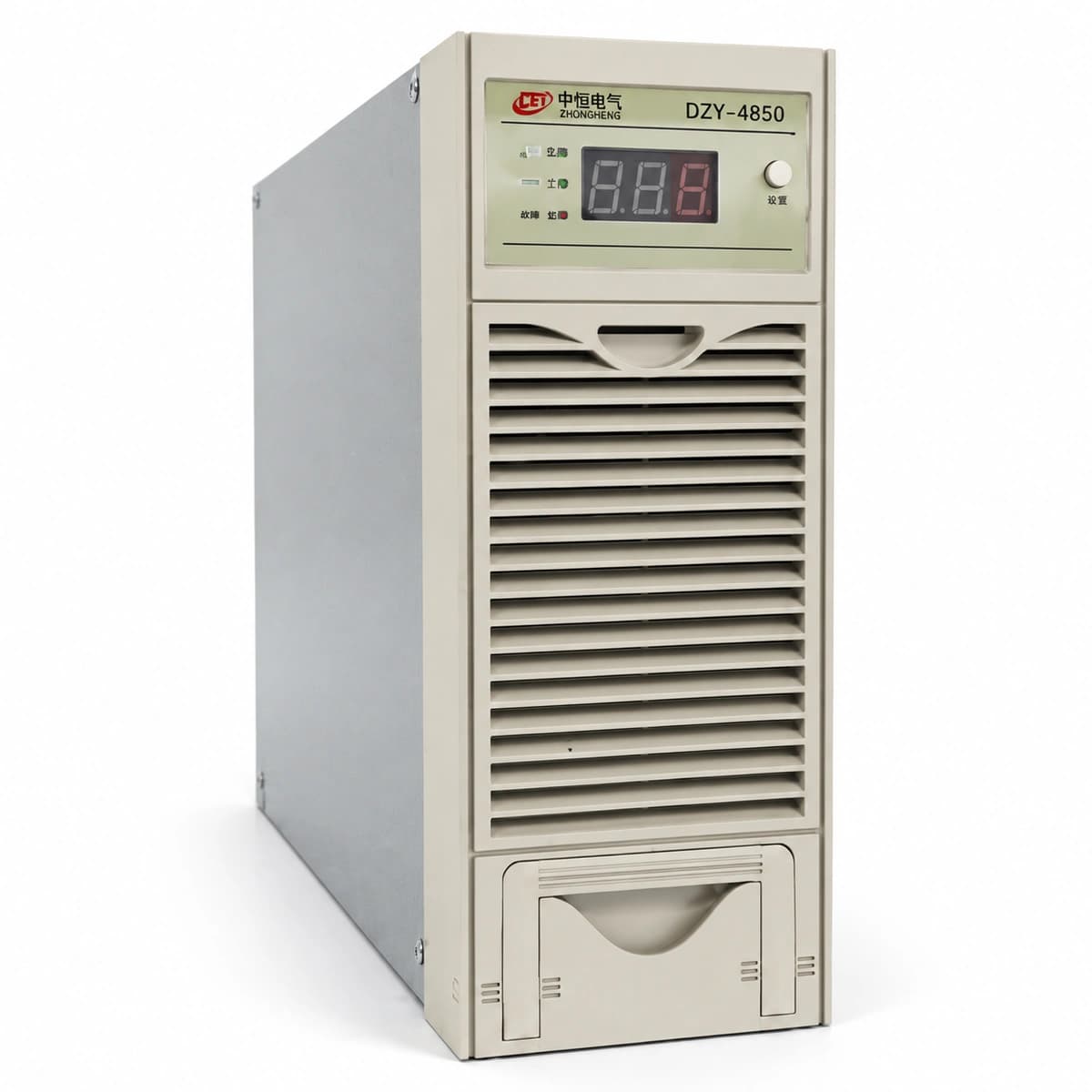
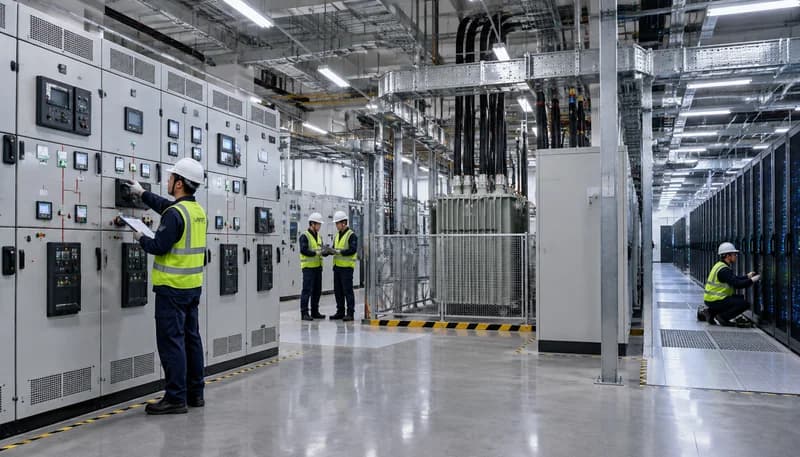
Modular substations and prefabricated power blocks can support faster deployment by moving portions of electrical construction into controlled manufacturing environments. A modular approach can improve repeatability, simplify site activities, and allow electrical capacity to be introduced in planned increments. The source article emphasizes the need for delivery approaches that respond to supply chain volatility and changing market conditions.
For AI facilities, modular power blocks should be evaluated as part of a complete electrical strategy rather than as isolated equipment packages. Operators should define standard interfaces, testing requirements, transport plans, and integration procedures before deployment. A successful modular program depends on coordination between design teams, manufacturers, installers, utilities, and commissioning specialists.
Phased energization gates for AI facility growth
Phased energization creates structured decision points between construction progress and operational readiness. Instead of waiting for a complete facility build, operators can establish energization gates for utility connection, medium-voltage distribution, downstream power systems, and IT load introduction. Each gate should have defined safety, testing, documentation, and approval criteria.
Engineering teams should connect energization gates to commercial objectives and operational risk controls. A phased approach can allow earlier use of completed capacity while protecting later expansion stages from unresolved issues. However, each phase requires disciplined commissioning management, because incomplete testing or unclear handover responsibilities can transfer risk into live operations.
Procurement, commissioning, telemetry, and liquid-cooling power coordination
Procurement risk does not end when equipment arrives on site. Manufacturing delays, installation sequencing changes, limited specialist resources, and commissioning conflicts can still affect delivery schedules. The source article highlights that cost impacts often begin with earlier delivery assumptions that fail, making integrated planning across procurement, construction, and commissioning essential.
AI facilities also require closer coupling between electrical telemetry and cooling infrastructure because high-density compute loads influence both power demand and thermal management requirements. Operators should consider monitoring electrical loading, cooling system response, and equipment operating conditions through coordinated data platforms. This visibility can support staged deployment decisions and help identify mismatches between expected AI workload behavior and infrastructure performance.
Practical operator recommendations for reliable delivery
Operators should establish a delivery framework based on early risk visibility, modular design principles, and continuous assumption reviews. Recommended actions include identifying critical electrical paths early, securing manufacturing capacity where appropriate, maintaining current utility coordination records, and creating commissioning plans that begin during design rather than after construction. The source article describes delivery capability as a future competitive differentiator, reinforcing the need for stronger execution discipline.
RICEWIND supports engineering discussions around modular power delivery approaches for data center infrastructure. Contact ricewind.com, Email: lee@ricewind.com, WhatsApp: +86 17621197907.
Engineering Procurement & Technical Desk
For technical datasheets, custom power topology design, or volume export quotations, reach out to HEFENGQI engineers.