1. Industry Background and Architectural Foundation
Driven by edge AI inference, autonomous driving telemetry, and real-time algorithmic trading, latency-critical workloads are pushing compute nodes directly into metropolitan cores. These urban micro data centers establish high-density compute capabilities right at the subscriber edge, overcoming regional fiber transit delays.
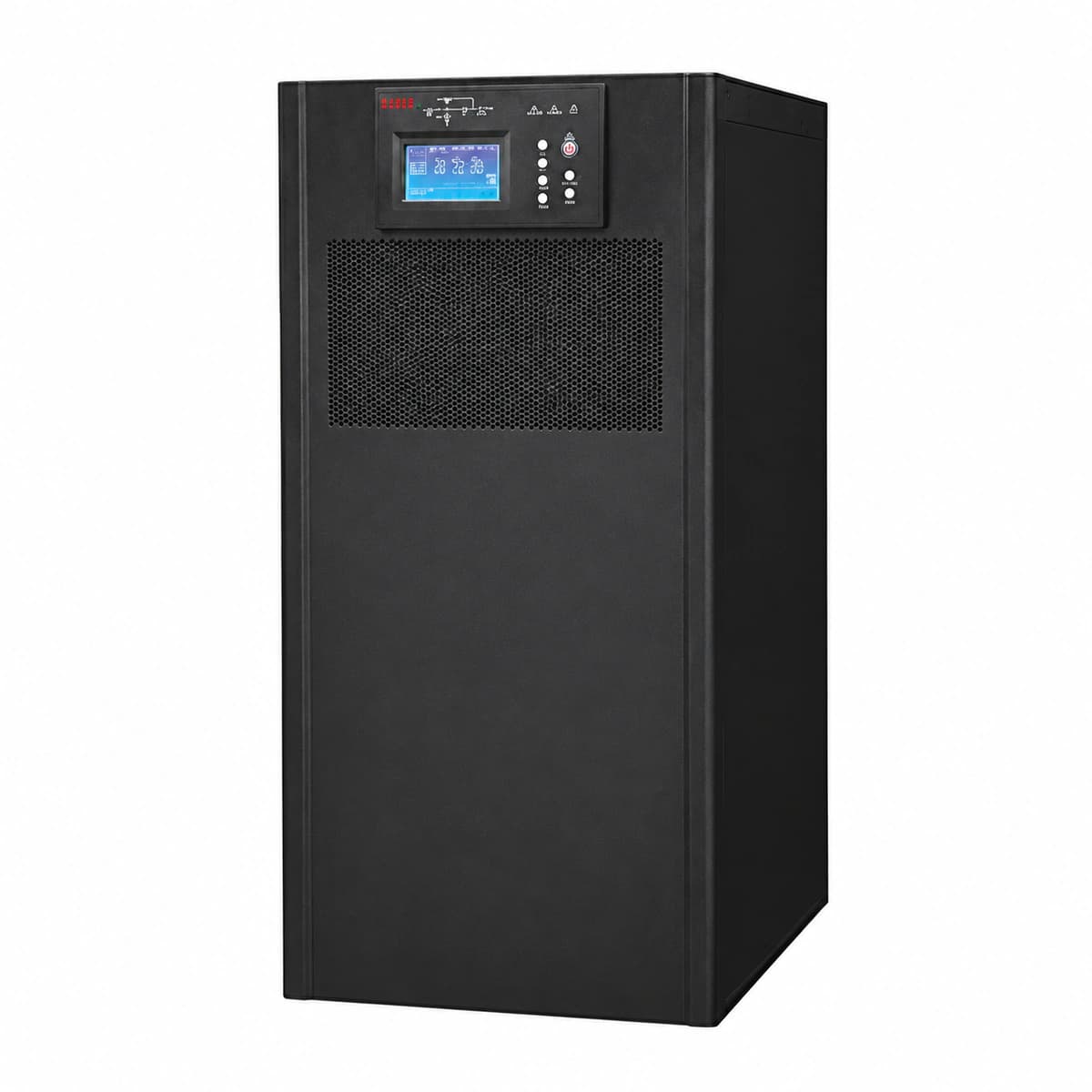
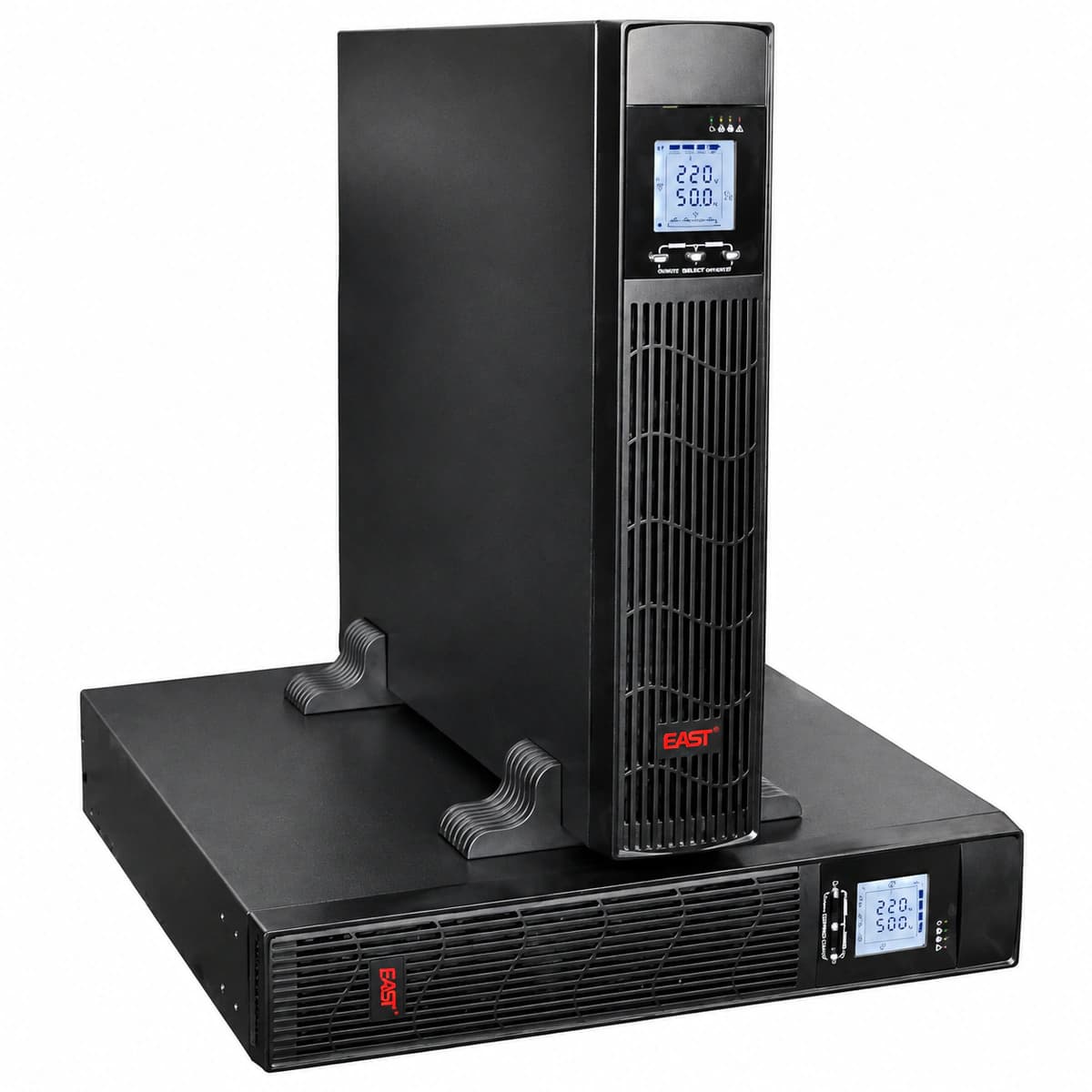
Metropolitan sites face strict real estate footprints and building electrical feed constraints, making massive centralized double-conversion UPS suites impractical. Distributed Power Systems (DPS) combined with rack-level modular lithium-ion energy storage have emerged as the dominant architecture, delivering 96%+ conversion efficiency and sub-second transient mitigation while reducing footprint by up to 50%.
2. Critical Electrical and Optical Parameter Matrix
Thermal and acoustic constraints represent the second major hurdle for urban edge equipment. Enclosures deployed in mixed-use commercial buildings must comply with stringent CE/UL acoustic dampening and EMC Class B radiation thresholds. In-row precision air containment systems allow single-rack densities of 10kW–25kW while sustaining operational PUE below 1.25.
3. Field Engineering Challenges and Topology Optimization
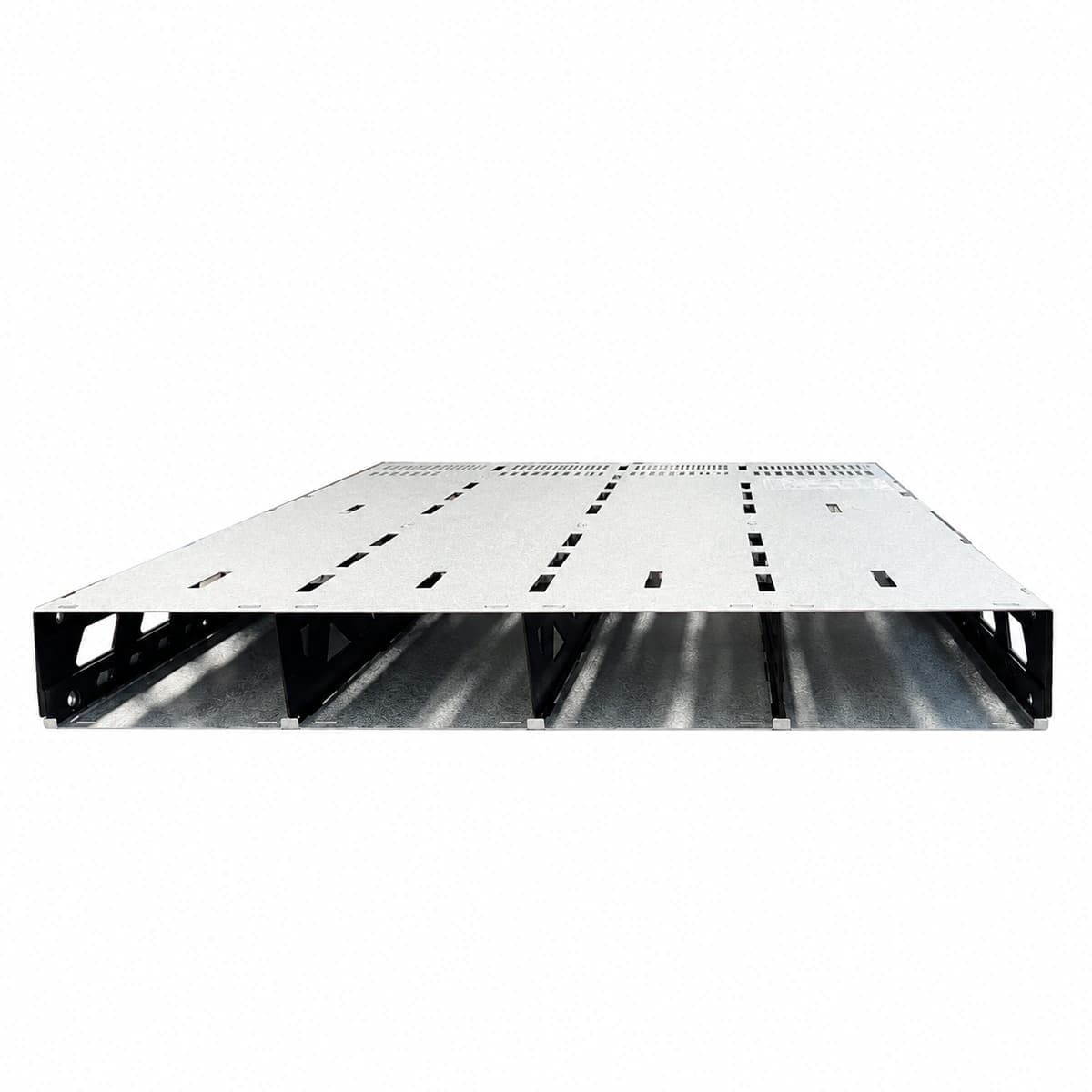
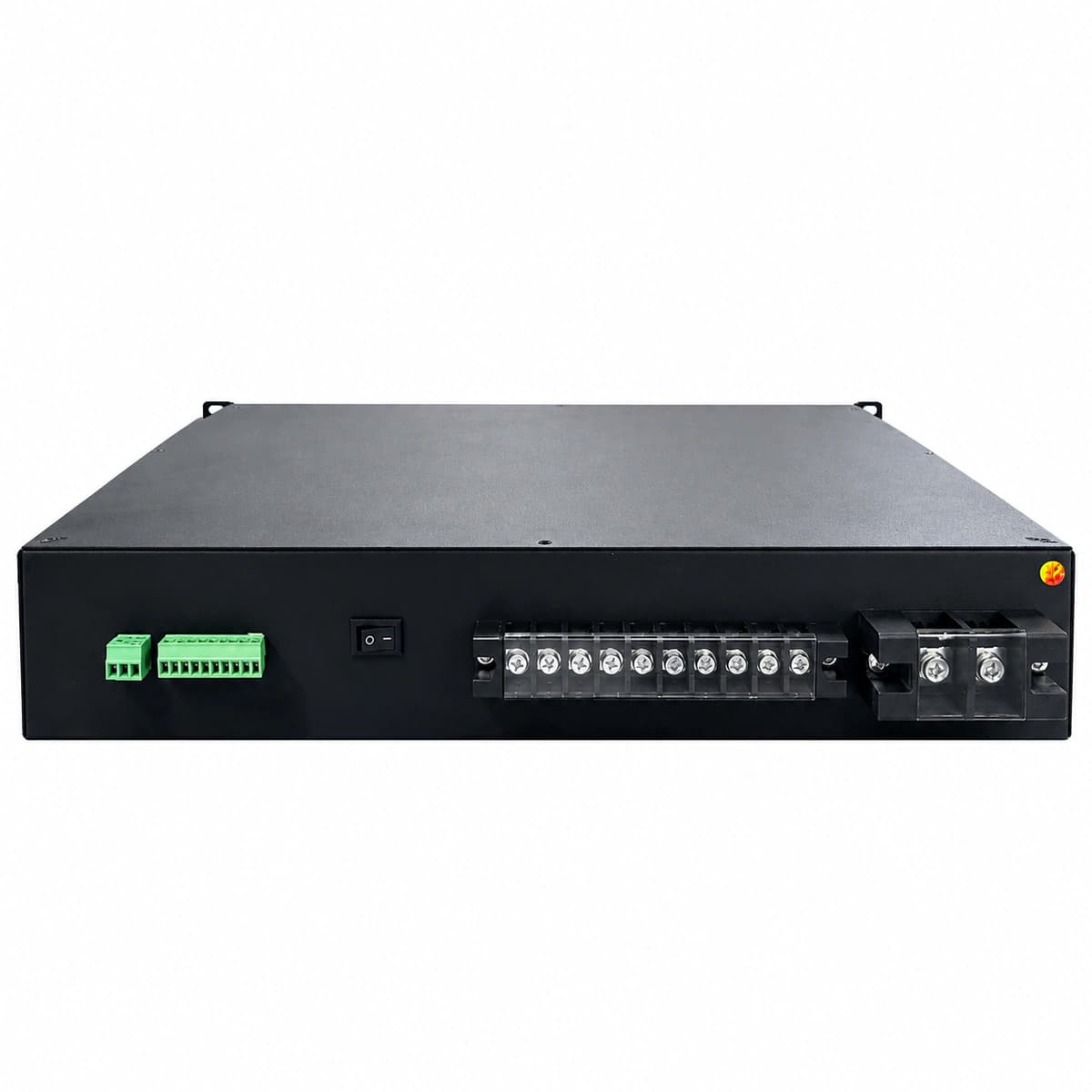
HEFENGQI / RICEWIND engineers standardized 19-inch high-strength telecom enclosures, integrated intelligent PDUs, and carrier-grade switch-mode rectifiers tailored for mission-critical edge deployments worldwide.
4. Operational Guidelines and Preventive Standards
Global B2B procurement and technical assistance: Email: lee@ricewind.com | WhatsApp: +86 17621197907.
Engineering Procurement & Technical Desk
For technical datasheets, custom power topology design, or volume export quotations, reach out to HEFENGQI engineers.