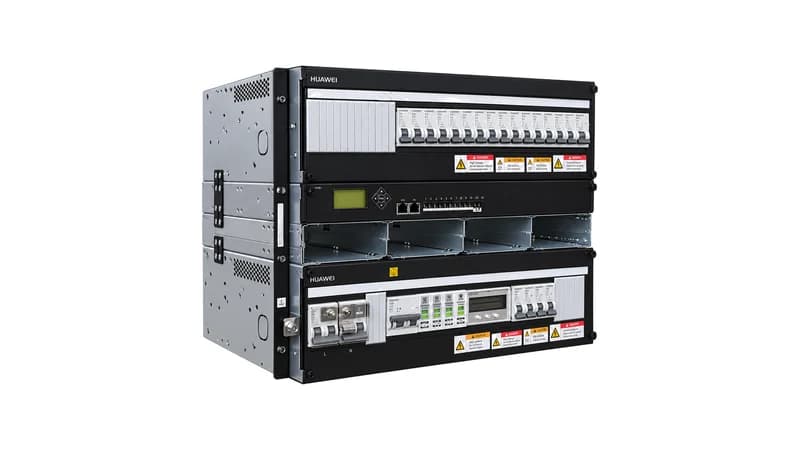
1. Power Distribution Evolution in High-Density Telecom and Edge Sites
Driven by high-power 5G Massive MIMO transceivers, high-density BBU aggregation, and containerized micro-modular data rooms, physical floor space and thermal efficiency have become critical site bottlenecks. Conventional freestanding power cabinets are being rapidly phased out in favor of compact, 19-inch rack-mounted embedded DC power systems (Subracks) that maximize payload density and reduce copper distribution losses.
An industrial-grade embedded power system serves as the mission-critical heart of a communication node: converting 220V/380V AC utility power into rock-solid -48V DC electricity, while integrating AC/DC surge protection, multi-channel distribution breakers, battery charge management, and remote network telemetry.
2. Electrical Parameter Matrix: Huawei vs. Vertiv vs. ZTE
RICEWIND Infrastructure Research Institute has performed a comprehensive cross-platform evaluation across the three most widely deployed subrack power systems globally:
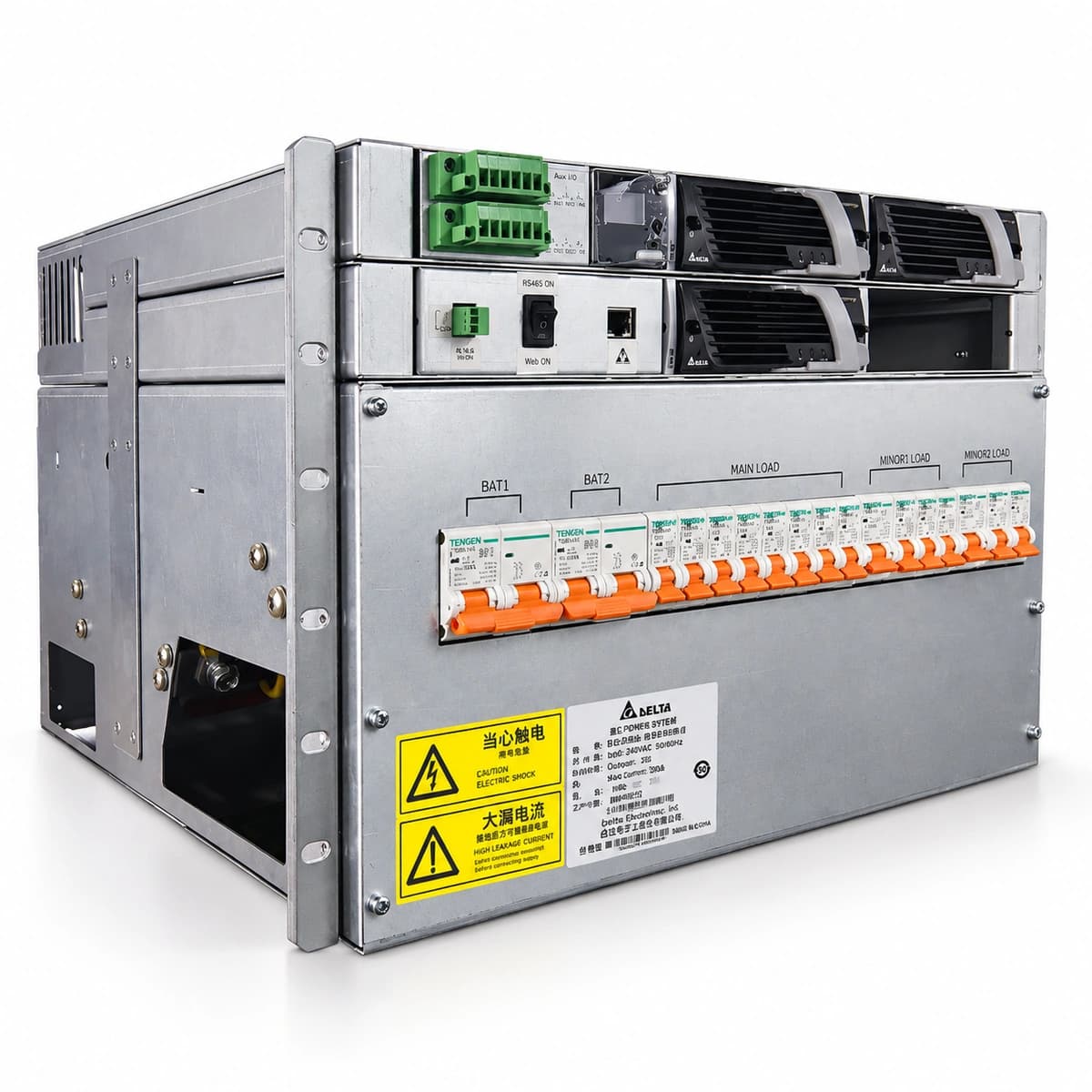
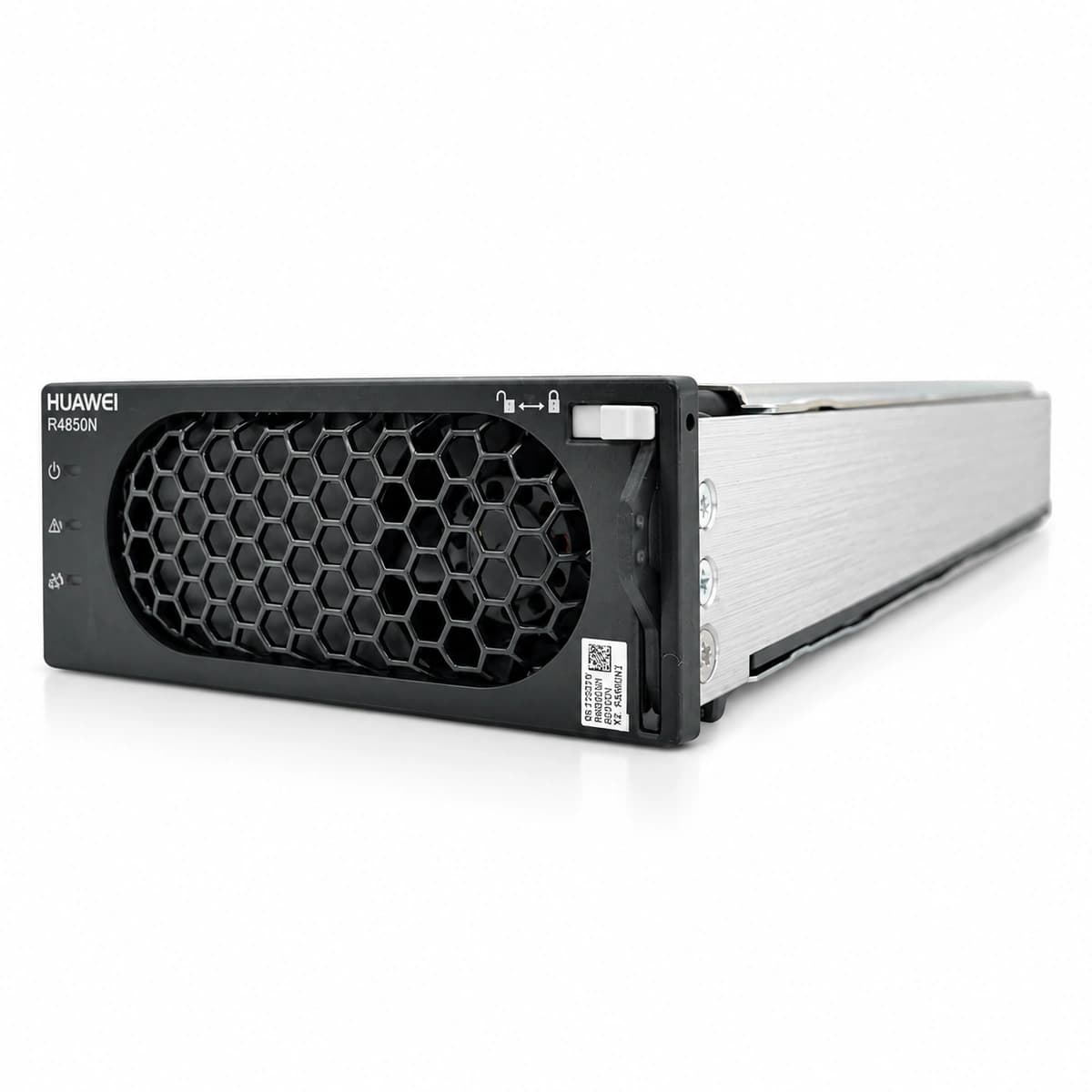
Form Factor and Current Density: Huawei ETP48200 occupies just 2U/3U rack space, accommodating up to four R4850G2 rectifiers to deliver up to 200A DC output. Vertiv NetSure 531 A41 utilizes a 4U/5U structure covering 120A to 240A with an ultra-wide AC input operating window (85VAC to 300VAC). ZTE ZXDU68 incorporates high-breaking-capacity miniature circuit breakers and intelligent supervisory units within a compact 3U chassis.
Rectifier Conversion Efficiency: Flagship modules across all three platforms exceed 96% Titanium-grade efficiency (e.g., Huawei R4850G2/G6, Vertiv R48-3000e3, ZTE ZXD3000). They sustain negligible heat dissipation across 30% to 80% operational load profiles, drastically reducing thermal loads on site HVAC systems.
Current Sharing and Interoperability: Vertiv NetSure employs an analog current-share bus coupled with digital micro-tuning, maintaining inter-module imbalance under 3%. Huawei leverages high-speed CAN telemetry to dynamically broadcast load parameters, enabling seamless co-existence of standard and high-efficiency modules.
3. Critical Engineering Selection Criteria: Circuit Breakers, LVD, and Energy Storage
In challenging grid environments or remote hybrid sites, comprehensive battery protection logic determines continuous site survivability. Engineers must rigorously evaluate three foundational subsystems:
Intelligent Dual-Stage Low Voltage Disconnection (LLVD / BLVD): A resilient system must integrate dedicated Load Low Voltage Disconnection (LLVD) and Battery Low Voltage Disconnection (BLVD) contactors. During sustained grid outages, non-essential secondary loads (e.g., climate control, testing lights) are shed first, reserving remaining battery autonomy exclusively for primary RF transceivers. As cell voltages reach critical thresholds (e.g., 43.2V), BLVD disconnects the battery string to eliminate deep-discharge degradation.
Surge Protective Device (SPD) Resilience: The AC feed must feature Class C surge suppression (nominal 20kA, impulse 40kA 8/20µs), paired with secondary fine-stage DC surge suppression and dry-contact degradation alarm telemetry.
Multi-String Battery Branch Redundancy: The subrack backplane must provide at least 2 to 4 high-capacity battery disconnect breakers (typically 100A to 125A), supporting hybrid deployments combining traditional VRLA and modern Smart Lithium (LiFePO4) storage banks.
4. Application Scenario Matching and Field Procurement Guidelines
Based on RICEWIND's global field deployments across CIS, the Middle East, Southeast Asia, and Latin America, we recommend the following engineering alignments:
5G Macro Tower Outdoor Cabinets: Deploy Huawei ETP48200-C5B7 within IP55 thermally isolated enclosures. The system delivers verified cold-start reliability across -40°C to +75°C, providing exceptional immunity against maritime humidity and lightning spikes;
Core Data Centers and Aggregation Transmission Rooms: Select Vertiv NetSure 531 A41. Its expansive DC breaker bank (supporting 16+ distribution branches) serves as a robust end-of-row DC power distribution nexus;
Legacy Station Refurbishment and Brownfield Upgrades: Utilize ZTE ZXDU68 for constrained space footprints, enabling zero-interruption live-cutover replacements with convenient front-access cabling.
RICEWIND maintains extensive global stock of Huawei, Vertiv, and ZTE subrack power frames, verified brand-new rectifiers, and custom telecom enclosures. Every unit undergoes 100% full-load burn-in validation before international dispatch.
Engineering consultation and bulk procurement inquiries: Email: lee@ricewind.com | WhatsApp: +86 17621197907.
Engineering Procurement & Technical Desk
For technical datasheets, custom power topology design, or volume export quotations, reach out to HEFENGQI engineers.