1. Grid Interconnection Bottlenecks and the AI Power Crisis
As the power footprint of modern AI data centers (AI Factories) escalates from tens of megawatts into hundreds of megawatts—and even gigawatt-scale campuses—utility substation capacity exhaustion and high-voltage transmission bottlenecks have emerged as the primary gating factor for AI infrastructure deployment. Across North American RTOs, European transmission corridors, and Southeast Asian hubs, grid interconnection queues routinely stretch from 3 to 7 years.
Simultaneously, distributed AI training workloads exhibit extreme step-load volatility. During synchronized checkpoint saves and model reload phases across tens of thousands of GPUs, instantaneous power demand can surge or collapse by 30% to 60% within milliseconds, threatening local utility grid frequency stability and inducing protective breaker trips.
2. Behind-the-Meter Islanded Microgrid Architecture
To bypass commercial grid delays and secure multi-gigawatt power availability, hyperscale operators are aggressively transitioning toward behind-the-meter islanded microgrids:
Baseload Prime Movers: Deploying natural gas reciprocating engine gensets and Solid Oxide Fuel Cells (SOFCs). Fuel cells achieve over 60% electrical efficiency with near-zero particulate emissions, and can be commissioned within 12 to 18 months wherever natural gas pipeline infrastructure exists.
Microsecond BESS Transient Stabilization: Utilizing high-rate Lithium Iron Phosphate (LFP) Battery Energy Storage Systems (BESS) or flywheel banks. When GPU clusters instantly step up load by dozens of megawatts, the BESS injects active power within 20 milliseconds, shaving peak stress and protecting prime movers from mechanical torsional shock.
Renewable Synergy: Rooftop and ground-mount photovoltaic arrays integrate directly into the common DC distribution bus, governed by dynamic Energy Management Systems (EMS) for peak-shaving and real-time carbon abatement.
3. DC Bus Topology Restructuring: Eliminating Multi-Stage Conversion Losses
Traditional data center power architectures suffer through four conversion stages: AC grid ➔ Rectifier ➔ Inverter ➔ Server PSU Rectifier, accumulating 8% to 15% in cumulative electrical transmission losses. At high-density server rack ratings exceeding 40kW to 100kW, conventional copper busbar volume and heat generation hit hard physical constraints.
Adopting ±375V or 750V/1500V Medium Voltage Direct Current (MVDC) busbar topologies redefines the electrical paradigm:
Direct DC Coupling of Generation and Storage: Fuel cell stacks, BESS battery banks, and solar PV arrays connect directly to the main DC bus via high-efficiency bi-directional DC/DC converters. Eliminating redundant inversion and transformer stages elevates end-to-end electrical efficiency beyond 97%;
Simplified Rack-Level Power Shelves: Server racks eliminate bulky internal AC rectifiers. Power is tapped directly from overhead DC busways into high-efficiency 48V/12V step-down converters, shrinking copper volume by 60% and dedicating maximum physical volume to GPU compute blades;
Elimination of Reactive Power and Harmonic Distortion: DC microgrids inherently eradicate AC phase shift, reactive power penalties, harmonic pollution (THD), and cable skin effects, driving data center PUE toward the theoretical threshold of 1.08.
4. Lifecycle Economic ROI and RICEWIND Infrastructure Solutions
While behind-the-meter microgrid generation and high-voltage DC architectures require higher initial Capex than conventional utility substations, bringing computing clusters online 2 to 3 years ahead of grid queue schedules delivers decisive operational revenue advantages. Combined with a 10% to 15% reduction in lifecycle electricity Opex, typical payback periods contract under three years.
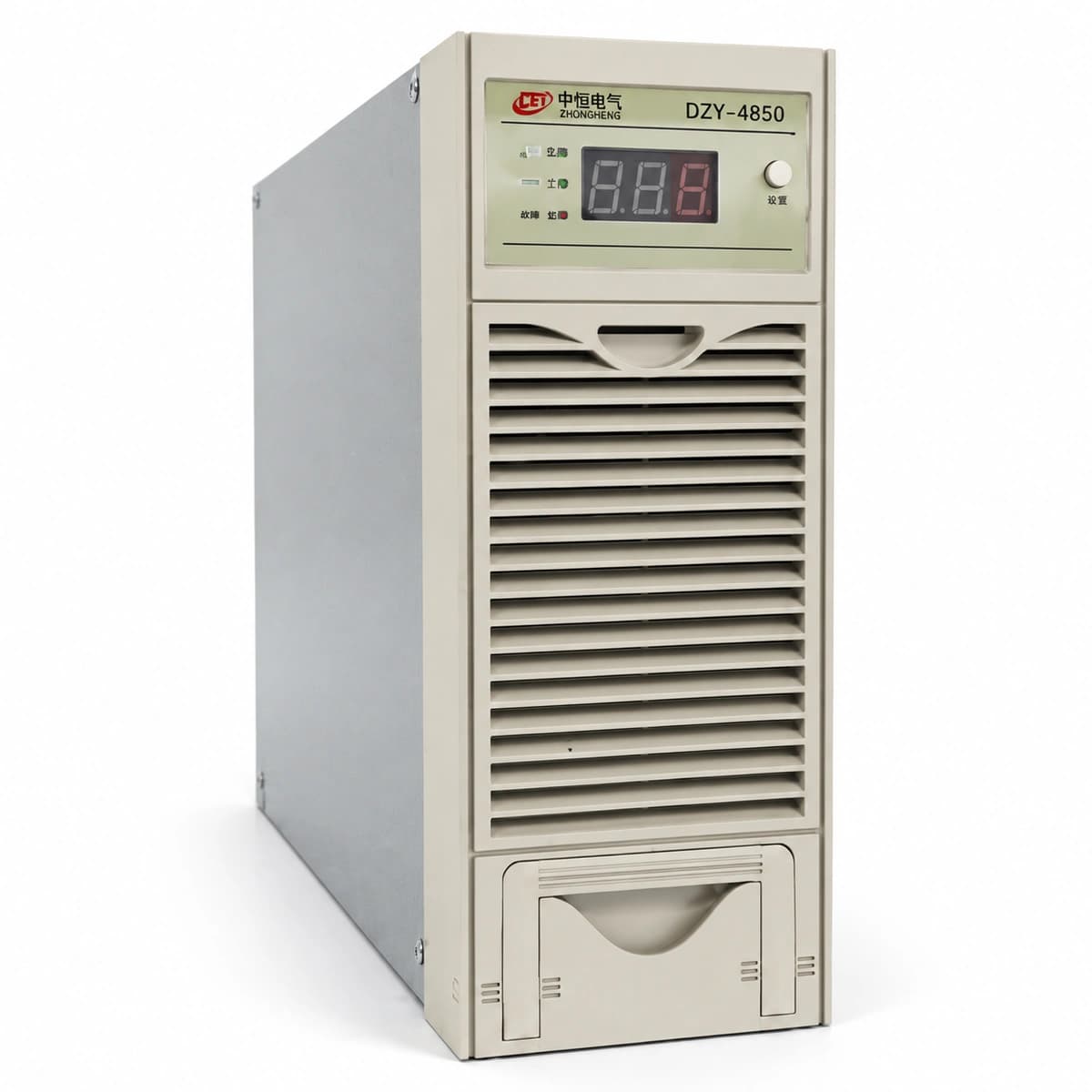
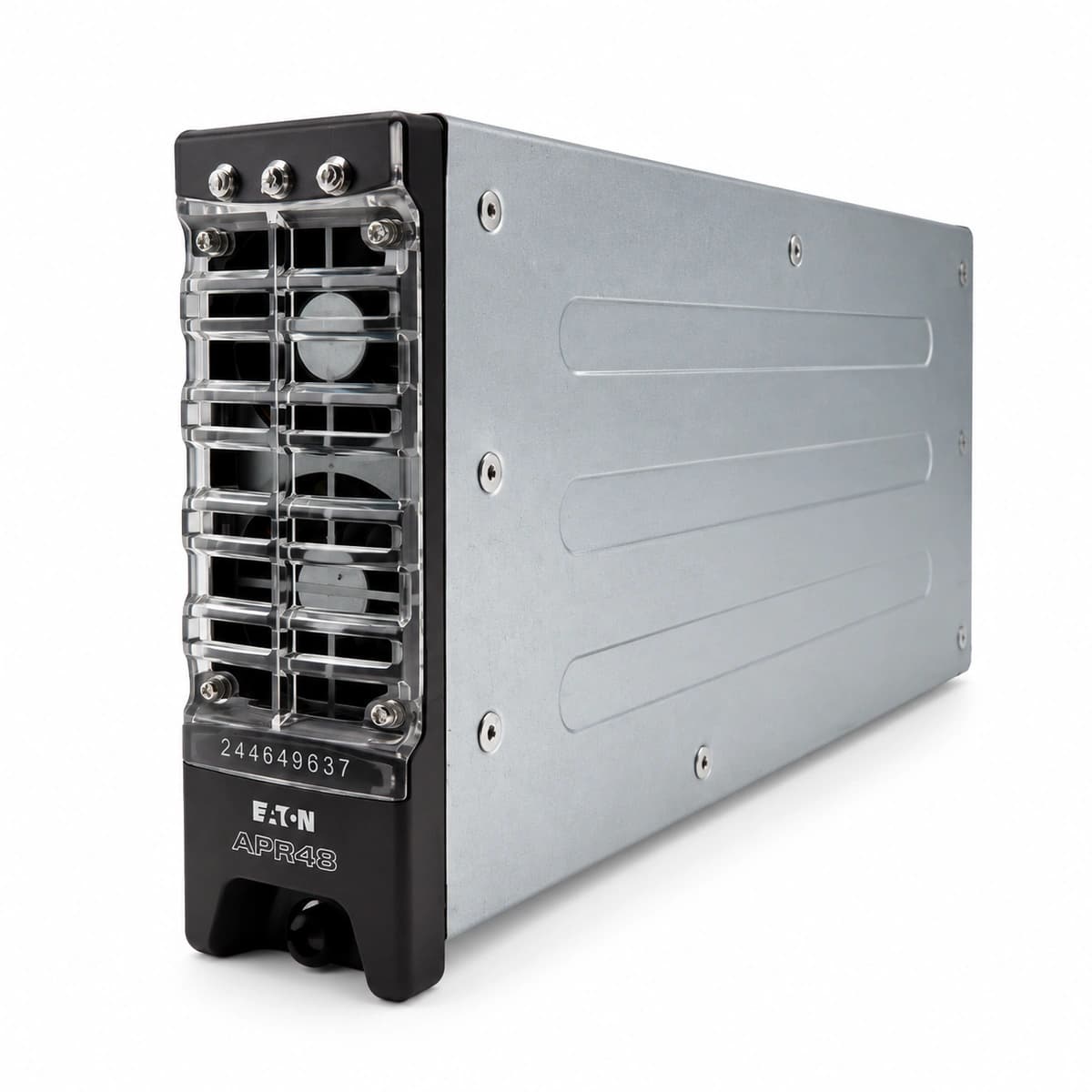
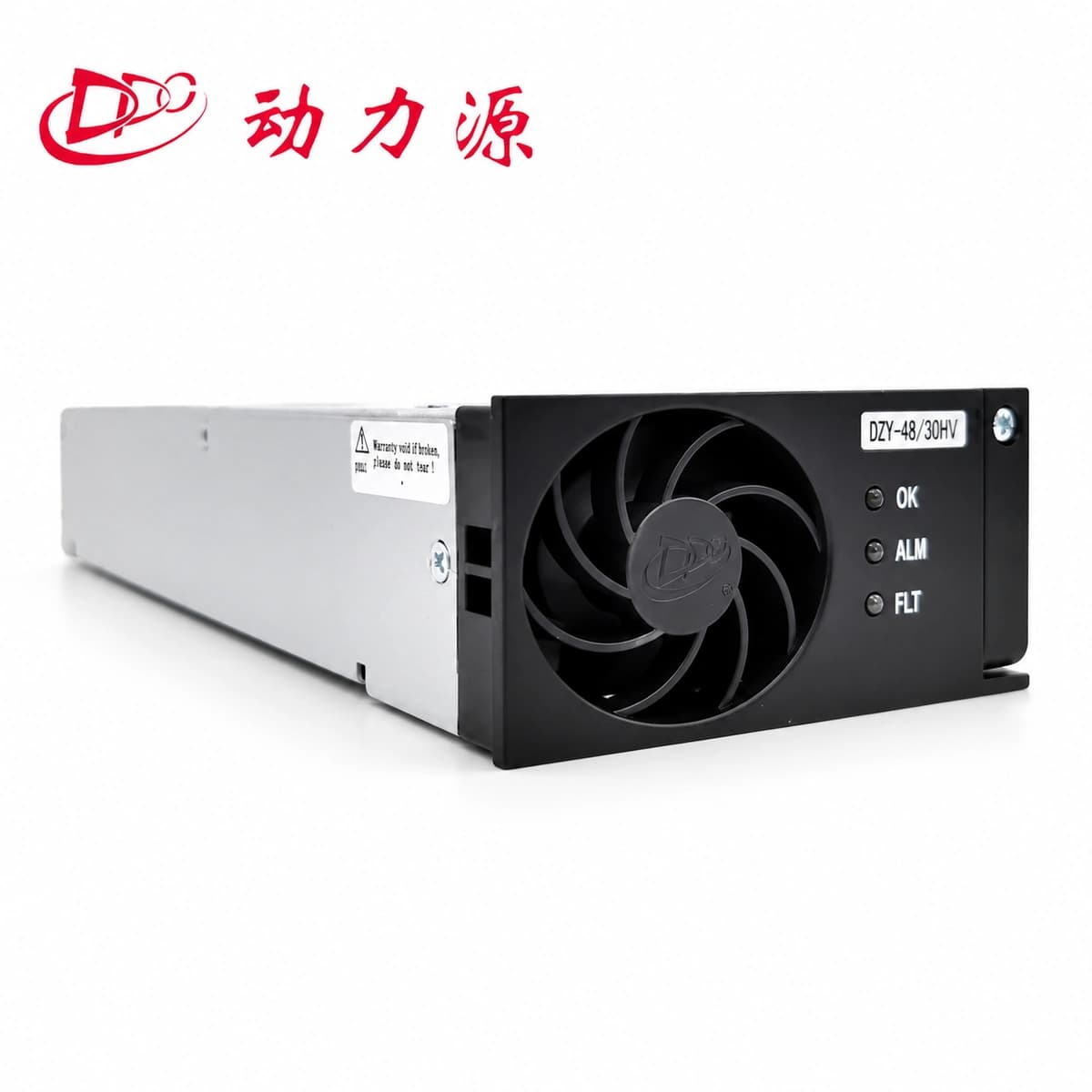
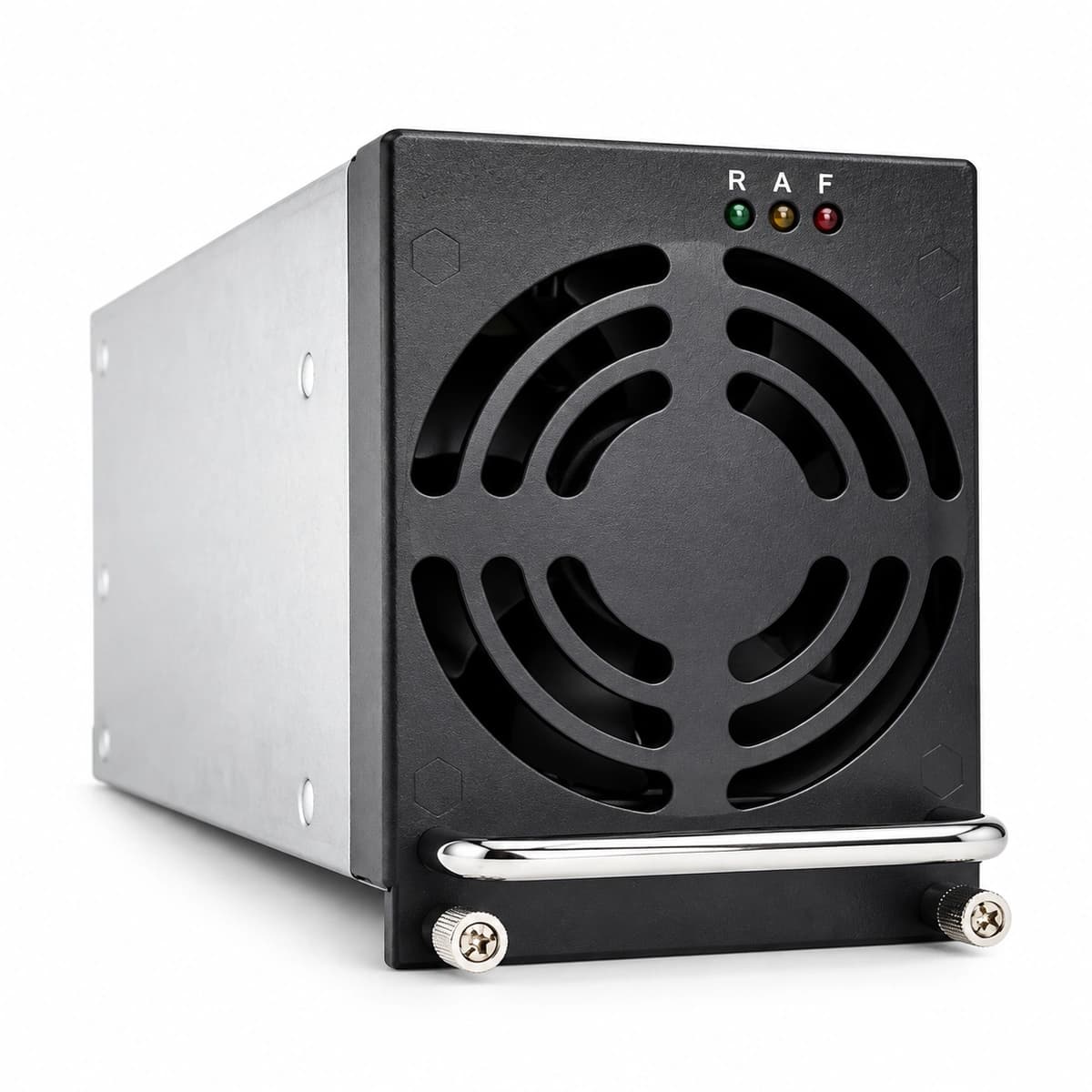
RICEWIND provides global EPC contractors, telecom operators, and data center developers with industrial-grade modular power infrastructure: high-efficiency switch-mode rectifiers, DC power shelves, intelligent distribution units, and mission-critical outdoor enclosures.
Engineering architecture inquiries and global project consultation: Email: lee@ricewind.com | WhatsApp: +86 17621197907.
Engineering Procurement & Technical Desk
For technical datasheets, custom power topology design, or volume export quotations, reach out to HEFENGQI engineers.